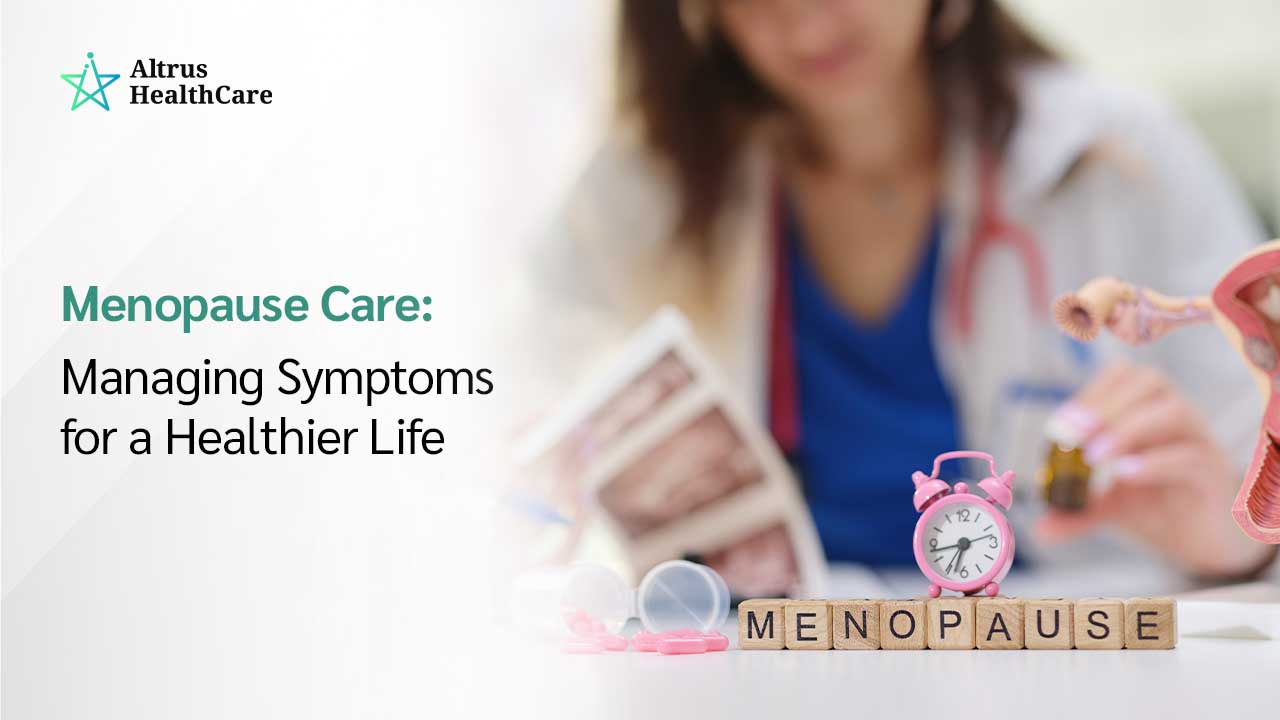
Menopause is a natural stage of life, but the experience can be very different from one woman to another. Some may notice changes in their periods and little else. Others may deal with hot flushes, poor sleep, mood changes or symptoms that slowly begin to affect their daily routine.
While menopause does not always require medical treatment, there is no reason to simply put up with symptoms that are affecting sleep, work, relationships or everyday comfort. Speaking to a doctor can help women understand what is happening and explore ways to manage the changes. The best hospital for gynecology can provide the right support based on a woman’s symptoms, health history and individual needs.
What Happens Before and During Menopause?
Menopause usually does not happen overnight. The years leading up to it are known as perimenopause, a stage when hormone levels begin to change.
During this time, periods may become irregular. They may come earlier or later than usual, become lighter or heavier, or gradually become less frequent.
Menopause is generally recognised after a woman has gone 12 consecutive months without a menstrual period, provided there is no other medical reason for it.
It can sometimes be tempting to assume that every new symptom during this stage is related to menopause. However, that may not always be the case. If something feels unusual or keeps coming back, it is worth discussing it with a doctor or a top gynecologist in Dehradun.
Menopause Can Bring More Changes Than Hot Flushes
Hot flushes and night sweats are among the symptoms most people associate with menopause. However, the changes can go beyond feeling suddenly warm.
Some women may experience disturbed sleep, mood changes, difficulty concentrating, headaches or joint discomfort. Others may notice vaginal dryness, discomfort during sex or changes in urinary health.
The intensity of these symptoms can also change over time. What initially feels manageable may gradually begin to affect sleep, energy levels or daily life.
This is why menopause care should not follow the same approach for everyone. The way symptoms affect one woman may be completely different from another.
How Treatment Options Are Chosen for Menopause Symptoms
There is no single treatment that works for every woman going through menopause.
Hormone replacement therapy, or HRT, may be considered for some women, particularly when symptoms are affecting their quality of life. Whether it is suitable depends on several factors, including age, symptoms, medical history and individual health risks.
Non-hormonal treatment options may also be available. Depending on the symptoms, a doctor may discuss medication, vaginal therapies or other ways to manage specific concerns.
“Menopause is not the same for every woman. Some may have mild symptoms, while others find that poor sleep, hot flushes or other changes begin to affect their daily life. The first step is understanding what is bothering the individual woman and then discussing the treatment options that may be suitable for her.”
Dr Kanika Chandra, Obstetrician, Gynaecologist and Laparoscopic Surgeon, Altrus HealthCare
The idea is not to treat every woman in the same way, but to understand what she is experiencing and discuss the options available to her.
Why Bone Health Becomes Important After Menopause
Some changes after menopause are not always visible.
Lower oestrogen levels can affect bone density and may increase the risk of osteoporosis. This makes bone health an important part of long-term women’s healthcare.
After menopause, bone health is something worth paying attention to. Staying active, eating well and getting enough calcium and vitamin D are simple things that can help. Depending on your age and health history, your doctor may also suggest a bone health assessment.
Depending on a woman’s age, medical history and other risk factors, further assessment may sometimes be recommended. This is one reason why visiting the best hospital for gynecology can involve more than discussing hot flushes or irregular periods.
Lifestyle Changes That May Help With Menopause Symptoms
Lifestyle changes cannot remove every menopause symptom, but some everyday habits may help women feel better.
Regular exercise can support heart health, bone strength, sleep and weight management. A balanced diet with fruits, vegetables, whole grains and adequate protein can also support overall health.
Women who experience frequent hot flushes may also notice certain triggers. For some, spicy food, caffeine, alcohol, stress or warm surroundings may make the symptoms worse. These triggers can be different for everyone.
Sleep is another area worth paying attention to. Ongoing sleep problems can affect mood, concentration and energy levels. If poor sleep becomes a regular issue, discussing it with a doctor may help identify what can be done.
Symptoms That Should Not Be Assumed to Be Menopause
Not every symptom that appears during midlife is caused by menopause.
Heavy or unusual bleeding, bleeding between periods, persistent pelvic pain and vaginal bleeding after menopause should always be checked by a doctor. Breast changes, unexplained weight loss or other unusual symptoms should also not be ignored.
Regular consultations with a top gynecologist in Dehradun can help determine whether a symptom is related to menopause or whether another health concern needs to be investigated.
Looking After Your Health Beyond Menopause
Menopause marks the end of menstrual periods, but it can also be a good time to pay closer attention to other aspects of health.
Along with managing symptoms, women may want to discuss bone health, sleep, nutrition, sexual health and recommended health screenings with their doctor.
At Altrus HealthCare, women can discuss menopause-related concerns alongside other gynaecological health needs. The focus is on understanding the symptoms, medical history and concerns of each woman before discussing the most suitable way forward.
Menopause may bring changes that feel unfamiliar, but understanding those changes can make them easier to deal with. The right guidance can help women decide when simple lifestyle changes may be enough and when medical treatment or further evaluation may be needed.
Quick summary
Menopause can bring different changes for different women. While some may experience only mild symptoms, others may struggle with hot flushes, poor sleep, mood changes or other concerns that affect daily life. Speaking to a doctor can help women understand their symptoms and discuss suitable ways to manage them. It is also important not to dismiss unusual bleeding, persistent pain or other new symptoms as simply part of menopause.
Frequently Asked Questions
When should I see a doctor for menopause symptoms?
It may be worth seeing a doctor if symptoms are affecting your sleep, daily routine or quality of life, or if you experience unusual bleeding or persistent pain.
Is hormone replacement therapy suitable for everyone?
No, whether HRT is suitable depends on factors such as your symptoms, age, medical history and individual health risks.
Why is bone health important after menopause?
Lower oestrogen levels after menopause can affect bone density and increase the risk of osteoporosis and fractures.
Disclaimer: This article is for general information only and is not a substitute for medical advice or treatment. If you are facing a medical emergency, seek immediate medical attention or contact emergency services.