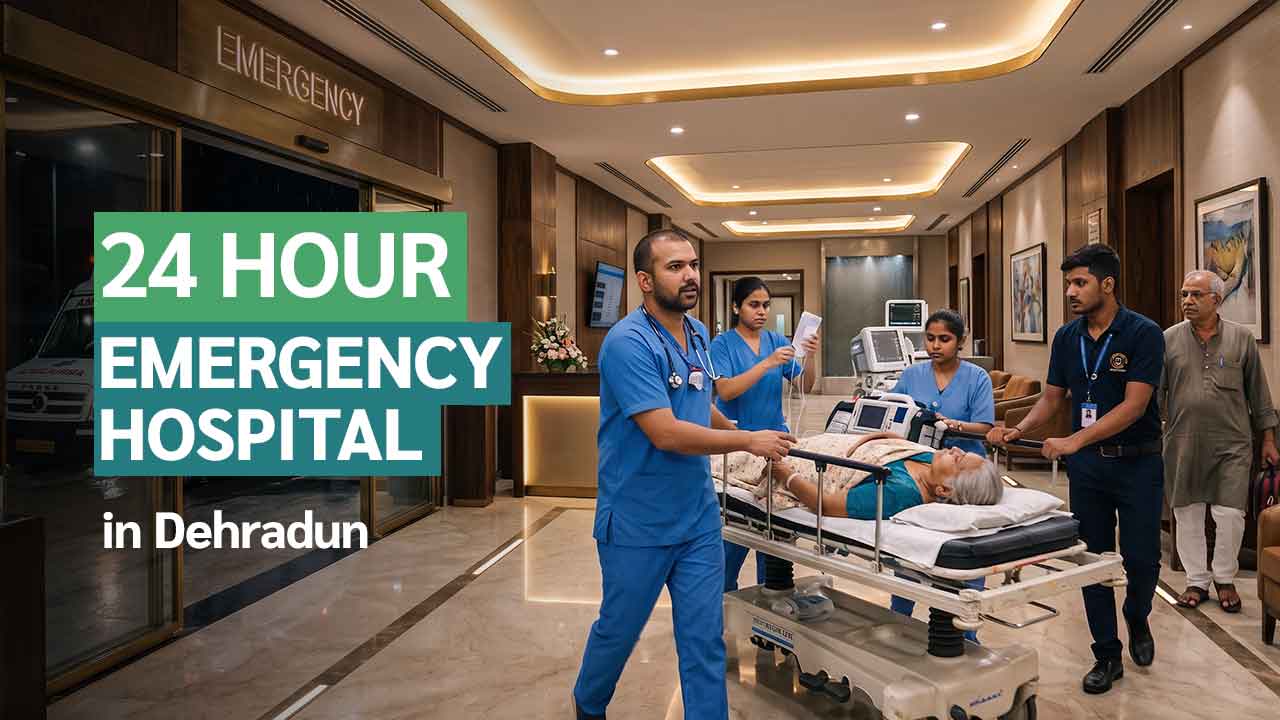
An emergency can be stressful, especially when you are unsure what to expect once you reach the hospital. Knowing how emergency care works and what facilities are available can help you feel more prepared when you need urgent medical attention. A hospital with 24 hour emergency services can provide access to emergency care at any time of the day or night.
This guide explains what you can expect when you arrive at an emergency department and how you can prepare your family for an unexpected medical situation.
What Happens When You Arrive at Hospital with 24 Hour Emergency Services
When a patient reaches the emergency department, the medical team first checks their breathing, pulse, blood pressure and level of consciousness. This helps them understand the patient’s condition and how quickly treatment is needed.
Depending on the patient’s condition, the emergency doctor in Dehradun may begin immediate treatment, which could include oxygen, fluids or medication. Further tests or specialist consultations may follow based on what the patient needs. At Altrus HealthCare, in-house laboratory and radiology services are available to support emergency care.
For families looking for an emergency care hospital in Dehradun, knowing what to expect can make a stressful situation a little easier to manage.
Why Having the Right Emergency Doctor in Dehradun Matters
In an emergency, the doctor needs to assess the situation quickly, decide what treatment is needed and involve the right specialist when required. An emergency doctor in Dehradun plays an important role in coordinating this initial care and making sure the patient receives timely attention.
This is especially important in maternity and childhood emergencies, where both the mother and baby may need care at the same time. At Altrus HealthCare, emergency care is supported by departments such as obstetrics, paediatrics, surgery and anaesthesia, along with critical care facilities including ICU, NICU and PICU.
The Support Services Behind Emergency Care
Emergency care also depends on the facilities and medical support available at the hospital. At Altrus HealthCare, these include:
- ICU for adults who need critical care
- NICU for newborns who need specialised care
- PICU for children who require intensive care
- In-house laboratory and radiology services
- In-house pharmacy
- Specialist support from departments such as obstetrics, paediatrics, surgery and anaesthesia
As an emergency care hospital in Dehradun, Altrus HealthCare provides these services to support patients who need urgent medical attention, including women, children and newborns.
How to Prepare Your Family for an Emergency
A little preparation can make things easier when an emergency happens. Keep important medical records, prescriptions, allergy information and details of ongoing treatment in one easily accessible place.
Save the hospital’s emergency number on your phone and decide beforehand who will go with the patient and who will take care of other arrangements. If you have previous medical reports handy, take them along, but don’t delay getting to the hospital just to collect them.
FAQs
What happens when a patient arrives at the emergency department?
The emergency team first checks the patient’s condition and vital signs to understand how urgently treatment is needed.
Should I call the hospital before bringing an emergency patient?
If possible, calling ahead can help the emergency team prepare for the patient’s arrival, but do not delay treatment to make the call.
Can a patient be transferred to Altrus HealthCare from another hospital?
Patient transfers can be arranged when medically appropriate and when the required facilities and care are available.
What documents should I carry during an emergency admission?
Carry an ID and previous medical records if they are readily available, but never delay reaching the hospital to collect documents.