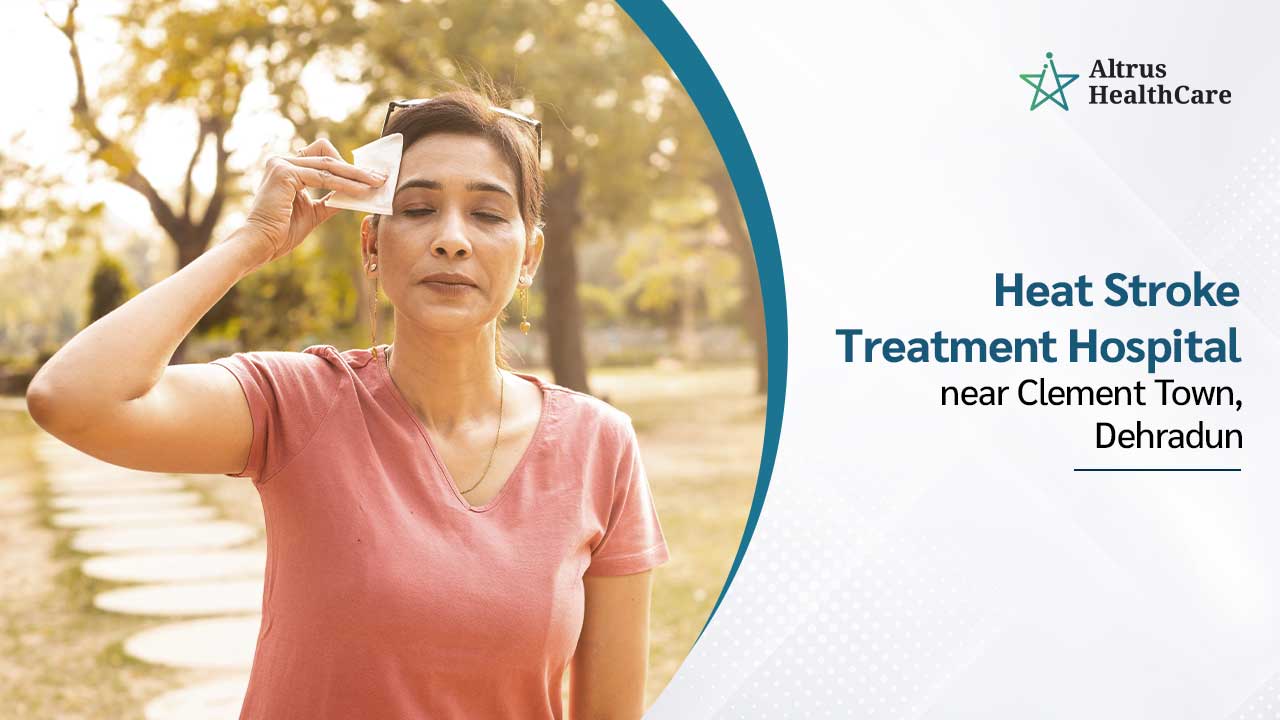
Spending time in the heat can leave anyone feeling tired, thirsty or uncomfortable. But when the body gets too hot and is unable to cool itself down, it can lead to heat stroke, a serious condition that needs immediate medical attention.
Heat stroke can happen after prolonged exposure to high temperatures or intense physical activity in hot weather. It can affect anyone, but the risk may be higher for children, older adults and people who spend long hours outdoors.
Knowing the symptoms and acting quickly is important. For families looking for a heat stroke treatment hospital in Clement Town, understanding the warning signs and what to do in an emergency can help them respond without delay.
What is heat stroke?
Heat stroke is a serious heat-related illness that occurs when the body’s temperature rises to a dangerous level and it can no longer cool itself properly.
The body normally cools itself through sweating. But during extreme heat or prolonged physical activity, this natural process may not be enough. As body temperature continues to rise, it can affect the brain and other organs.
This is why heat stroke is considered a medical emergency and should not be managed at home.
What are the common symptoms of heat stroke?
The symptoms can develop after spending a long time in the heat, although they may sometimes appear suddenly.
Common signs include:
- Very high body temperature
- Severe headache
- Dizziness
- Confusion or unusual behaviour
- Extreme weakness
- Nausea or vomiting
- Fast heartbeat or breathing
- Hot skin
- Fainting or loss of consciousness
Confusion, fainting and difficulty responding are particularly serious signs. If someone develops these symptoms after exposure to heat, seek medical care immediately.
Heat Exhaustion or Heat Stroke: How Are They Different?
| Heat Exhaustion | Heat Stroke |
|---|---|
| Heavy sweating | The body may become dangerously overheated |
| Weakness and tiredness | Confusion or unusual behaviour |
| Dizziness or headache | Fainting or loss of consciousness |
| Nausea or muscle cramps | Severe weakness or difficulty responding |
| Needs cooling, rest and medical advice if symptoms continue | Requires immediate medical attention |
Heat exhaustion and heat stroke can both happen because of excessive heat, but heat stroke is far more serious. If a person becomes confused, faints or is unable to respond normally, do not wait for the symptoms to improve.
What should you do if someone shows signs of heat stroke?
The first step is to move the person away from the heat and arrange emergency medical care. While help is being arranged, you can try to cool the person down.
You can:
- Move them indoors or to a shaded area
- Remove or loosen excess clothing
- Use cool water or wet cloths on the skin
- Use a fan if one is available
If the person is confused, unconscious or unable to swallow properly, do not force them to drink water or other fluids.
The most important thing is to get medical help quickly. Do not delay treatment while trying to manage severe symptoms at home.
When should you visit a heat stroke treatment hospital in Clement Town?
Heat stroke requires urgent medical assessment. If someone has been exposed to excessive heat and starts showing severe symptoms, it is time to seek emergency care.
Take the person to a hospital immediately if they have:
- Confusion or unusual behaviour
- Fainting or loss of consciousness
- Persistent vomiting
- Difficulty breathing
- Extreme weakness
- A very high body temperature
For people searching for a heat stroke treatment hospital in Clement Town or nearby, emergency services can provide the immediate assessment and treatment needed during a serious heat-related illness.
How is heat stroke treated at a hospital?
The main focus of treatment is to bring the body temperature down and monitor the patient’s condition closely. The doctor will assess how severely the heat has affected the patient and decide what treatment is required.
Depending on the patient’s condition, treatment may involve:
- Rapid cooling measures
- Monitoring body temperature and vital signs
- Fluids when medically required
- Blood tests and other investigations
- Treatment for complications
- Critical care support if needed
The type of treatment can vary from one patient to another. Someone who receives medical attention early may have different needs from someone who has been unwell for longer.
When should you see a heat stroke specialist in Dehradun?
In a heat stroke emergency, reaching a hospital quickly is more important than trying to find a specific doctor first. The emergency team can assess the patient and involve other specialists if needed.
A heat stroke specialist in Dehradun or another relevant medical specialist may be involved when the condition has caused complications that require additional care or closer monitoring.
The medical team will decide which specialists are needed based on the patient’s symptoms and condition.
Who is at a higher risk of heat stroke?
Anyone can develop heat stroke, particularly during periods of extreme heat. However, some people may be more vulnerable than others.
This includes:
- Young children
- Older adults
- People who work outdoors
- Athletes or people exercising in hot weather
- People who are dehydrated
- People with certain existing health concerns
Even healthy adults can develop heat-related illness if they spend too much time in high temperatures without enough rest or fluids.
How can you reduce the risk of heat stroke?
Simple precautions can help you stay safer during very hot weather.
Try to:
- Drink fluids regularly
- Avoid staying outdoors during the hottest hours when possible
- Wear light and comfortable clothing
- Take breaks if you work or exercise outside
- Spend time in shaded or cool areas
- Pay attention to early signs such as dizziness, weakness or nausea
- Never leave children inside a parked vehicle
If you start feeling unwell because of the heat, move to a cooler place and take the symptoms seriously.
What happens after heat stroke treatment?
Recovery can depend on how severe the condition was and how quickly treatment was received. Some patients may only need emergency treatment and observation, while others may require a longer hospital stay.
Doctors may continue to monitor the patient’s temperature, overall health and any complications caused by excessive heat.
For families seeking a heat stroke treatment hospital in Clement Town, access to emergency care, diagnostic facilities and critical care support can be important when the patient’s condition requires hospital-based treatment.
Key Takeaway
Heat stroke is not the same as simply feeling tired after spending time in the sun. Confusion, fainting, persistent vomiting, extreme weakness and a very high body temperature are serious signs that need immediate medical attention.
If you think someone may have heat stroke, get them out of the heat and take them to a hospital as soon as possible.
Quick Summary
Heat stroke can happen when the body gets too hot, especially after being out in extreme heat for too long. It can make a person feel very weak, confused or even cause them to faint, so getting medical help quickly is important.
Symptoms such as confusion, fainting, severe weakness and persistent vomiting should not be ignored. A heat stroke treatment hospital in Clement Town can provide emergency assessment and treatment based on the patient’s condition. If complications develop, a heat stroke specialist in Dehradun or other specialists may also be involved in the patient’s care.
Frequently Asked Questions
What is the difference between heat exhaustion and heat stroke?
Heat stroke is more serious and can cause confusion, fainting and dangerously high body temperature.
When should I visit a heat stroke treatment hospital in Clement Town?
Seek immediate medical care if the person is confused, faints, repeatedly vomits or becomes unresponsive.
When might a heat stroke specialist in Dehradun be needed ?
Specialist care may be required if heat stroke causes complications or the patient needs closer medical monitoring.
Disclaimer: This article is for general information only and is not a substitute for medical advice or treatment. If you are facing a medical emergency, seek immediate medical attention or contact emergency services.