
New IVF Technologies at the Best IVF Hospital Dehradun That Are Improving Pregnancy Outcomes

Couples beginning fertility treatment think of this as their first question: “Has IVF become more successful over the years?” The answer is yes, but probably not for the reasons you might expect. 

IVF progress has resulted from a series of small refinements, rather than a single dramatic change. Our improved lab and embryo screening capabilities, and personalising our patients’ treatment plans, allow our fertility experts to tailor services that support both better chances of conceiving and minimise unnecessary treatment. It’s personalisation that has turned into one of the most exciting advancements in modern fertility services. 

Selecting an experienced IVF hospital Dehradun means getting access to these novel techniques and advanced IVF treatments, as well as a medical team which understands when treatment will be beneficial and when a simpler approach is the way to go.

Modern IVF Is About Choosing the Right Technology at the Best IVF Hospital Dehradun

Everyone’s fertility journey is different. A couple dealing with male infertility requires a different treatment strategy from someone with recurrent implantation failure or reduced ovarian reserve.

Dr. Priyanka Bhadana, Clinical Director, IVF & Fertility Treatments at Altrus HealthCare, reminds couples that technology should support clinical judgement, not replace it.

“One of the most common misconceptions is that using every available technology automatically improves IVF success. Our approach is to understand why pregnancy has not occurred and then recommend only those techniques that genuinely improve the couple’s chances based on their medical condition.”

This personalised approach of advanced IVF treatments at the best IVF hospital Dehradun has become one of the most important developments in modern fertility care.

ICSI Has Changed the Way Many Male Fertility Problems Are Treated

Many of our most exciting IVF advances can be attributed to Intracytoplasmic Sperm Injection (ICSI). In the process of ICSI, a single normal sperm is injected directly into an egg, a technique that’s now widely used whenever sperm quantity, motility or morphology are compromised, or sperm retrieval is necessary following PESA, TESA, or MESA.

For many couples who previously had limited treatment options, ICSI has become an important part of successful IVF treatment as it also offers the advanced Embryo selection technology solutions.

Better Embryo Development Leads to Better Decisions

A central aim of modern fertility treatment is not simply the development of embryos but also the selection of those with the highest chance of successful implantation.

Blastocyst culture enables embryos to develop in the lab for several days before transfer, giving our embryologists time to assess growth and ensuring selection technology provides excellent results.

Instead of transferring all embryos earlier, medical teams are better able to decide which embryos are best suited for your treatment plan and overall health. Embryo selection technology can be achieved at the best IVF hospital Dehradun.

Improving the Chances of Successful Implantation

Even a healthy embryo must successfully implant within the uterus before pregnancy can occur.

For many women with specific needs, the IVF procedure has evolved to include options like laser-assisted hatching, where a small opening is made in the outer layer of an embryo, facilitating hatching, and preparing it to implant. 

Another technique like endometrial receptivity testing shows whether the uterine lining is prepared to receive an embryo. For some individuals and couples this means adjusting when the transfer happens can help improve the chances of success.

It should be understood, however, these treatments are not appropriate for every patient.

Preserving Fertility for the Future

Medical innovation has given individuals and couples greater flexibility to plan family creation: through fertility preservation (freezing sperm, eggs and embryos), allowing individuals to start families at times that are best for their life circumstances.

Over recent years frozen embryo transfer procedures have improved and it is now possible to thaw embryos with excellent post thaw viability. Some women find that a transfer at a later time frame offers their womb a more favourable environment for successful implantation than immediate transfer post egg retrieval.

The Value of Personalised Fertility Care

Successful infertility treatment from the best IVF hospital Dehradun relies not just on high-technology alone but relies on accurate diagnosis, meticulous careful planning, highly expert clinical practice and diligent, continuing medical care.

With Altrus HealthCare, Dehradun’s trusted multispeciality hospital offering the best IVF & infertility treatment, we begin our treatment by looking at both partners, not just one factor. Our services include ovulation induction, Intrauterine insemination (IUI), IVF, ICSI, Laser assisted hatching, blastocyst culture, Frozen embryo transfer, endometrial receptivity testing, preimplantation genetic testing, fertility preservation, Cryopreservation services and tailored male infertility solutions such as PESA, TESA and MESA treatments, all under the clinical supervision of Dr Priyanka Bhadana. The actual plan we will create is unique to you and is based on our full assessment, no “standard protocols”.

Looking Beyond Technology

Technology has moved the field forward but ultimately, it remains a tool. The truly significant advancements in fertility treatment are found in the increased understanding that our individual medical histories, fertility challenges and unique treatment goals are all critically important. 

The combination of well-applied advanced treatment technology and the insight that comes from rigorous diagnosis and experienced judgement has created the solid ground on which a healthy pregnancy can grow. A good IVF hospital Dehradun that embraces all that fertility can offer, offers technology where and when it’s most effective, that is the future of fertility treatment.

FAQs

Do minimally invasive anorectal procedures help in faster recovery?

Minimally invasive anorectal procedures may help reduce pain, support quicker healing, and allow suitable patients to return to work earlier. The recovery time still depends on the type of condition, procedure performed, and the patient’s overall health.


Can sitting for long hours slow healing?
Extended periods of sitting might be a cause of increased pain for some people and for this reason short walks and frequent position changes may be prescribed by doctors during your Anorectal Surgery Recovery.


Should I continue with fibre supplements if I eat well?
Even if you consume nutritious foods, your doctor may still wish you to take fibre supplements depending on your bowel habit and the type of Anorectal Treatment undertaken.


How can my doctors determine how well I am recovering?

The follow-up appointment allows doctors to check on the site of the operation and evaluate the recovery from Anorectal Surgery before potential problems are able to arise.
Post-Surgery Care Tips for Faster Recovery After Anorectal Procedures

Anorectal surgery is helpful for people who have painful problems like haemorrhoids, fissures, and fistulas. The surgery is very important. The phase right after the surgery is just as impactful in determining results. People who undergo anorectal surgery get advice from their doctors about recovery practices, which ought to be followed carefully.

A lot of patients feel unsure of how they will recover once out of the hospital. Learning the best practices for anorectal surgery recovery makes the process less intimidating and stressful. Medical advice given by the doctor should be followed to the letter, with a few lifestyle changes to support faster recovery. 

Minimally Invasive Anorectal Treatment for Faster Recovery

Modern anorectal treatment has become more patient-friendly with the use of minimally invasive procedures. These techniques are designed to reduce pain, support quicker healing, and help suitable patients return to daily work and routine activities earlier than conventional surgery.

At Altrus HealthCare, different minimally invasive treatment options are offered depending on the patient’s condition and diagnosis. For piles or haemorrhoids, procedures such as laser hemorrhoidoplasty and stapled hemorrhoidopexy may be advised. For fissures, laser-guided fissurectomy can help treat the affected area with precision.

Patients with pilonidal sinus may be treated through endoscopic pilonidal sinus treatment, also known as EPSiT, or laser treatment for pilonidal sinus, also called PiLAC. For fistula cases, options such as video-assisted closure of the fistula tract and laser-guided treatment for fistula may be considered.

The right treatment depends on the type, stage, and severity of the anorectal problem. A surgeon evaluates the patient before deciding which procedure is most suitable.

Why the First Few Days of Anorectal Surgery Recovery Matter

The few days following your anorectal surgery are crucial to your anorectal surgery recovery. During these few days, your body begins the process of tissue repair and decreases the amount of inflammation surrounding the surgical area.

Minor pain, swelling, or discomfort when sitting may be experienced after several anorectal procedures. If self-care principles are implemented, these symptoms will gradually resolve.

Keep the Surgical Area Sanitary 

Keeping yourself clean is a part of anorectal surgery recovery. You should clean the area that was treated gently after you use the bathroom. You should do this the way your surgeon told you to.

If you are having anorectal treatment, you should always follow the instructions that your doctors give you for taking care of your wound. This is because different surgeries might need different kinds of care. Your surgical team will give you instructions so you should follow those.

Eat Food Rich in Fiber 

Your diet can play a very important role in anorectal surgery recovery. Hard stool will place additional stress on the tissues after anorectal surgery, and can add to bowel movement discomfort. A diet with a good amount of fiber, fruits, vegetables, whole grains, and legumes helps in getting softer stools and regular bowels. Plenty of fluids can also help in this area.

Gradually Return to Physical Activity

Although rest is essential postoperatively, inactivity can slow recovery. Some walking is necessary for benefiting circulation as well as wound healing.

Avoid lifting heavy objects, exercising vigorously, or placing stress on the incision site until you are cleared by a physician. Every patient’s anorectal surgery recovery will vary somewhat. Depends on what kind of surgery they had and how healthy they are overall.

If you follow the rules your surgeon gives you about what you can and cannot do, you can avoid putting much strain on your body while you are recovering from Anorectal Surgery.

Watch for Warning Signs

In general, patients get better from anorectal surgery without any complications. But they should watch out for symptoms that need a doctor’s help. If you have symptoms of a persistent fever, excessive bleeding, excessive pain, unusual discharge, or difficulty urinating, then you should contact your doctor immediately.

Finding out about problems means that doctors can do something about it quickly if they need to. People who are recovering from anorectal treatment should never be afraid to call their doctor if something does not feel right while they are getting better.

Surgical Care and Recovery Support at Altrus HealthCare

Having surgery is not just about what happens in the operating room. At Altrus HealthCare, patients receive support before and after treatment so they can recover with better comfort and confidence.

The hospital provides minimally invasive anorectal treatment options for conditions such as piles, fissures, fistula, and pilonidal sinus. These procedures are planned to reduce pain, support quicker recovery, and help suitable patients return to work and daily activities earlier.

As a trusted hospital in Dehradun, Altrus HealthCare focuses on diagnosis, treatment planning, surgery, and follow-up care. Doctors and nurses guide patients through recovery after anorectal surgery with personal advice, monitoring, and timely support.

FAQs

Do minimally invasive anorectal procedures help in faster recovery?

Minimally invasive anorectal procedures may help reduce pain, support quicker healing, and allow suitable patients to return to work earlier. The recovery time still depends on the type of condition, procedure performed, and the patient’s overall health.


Can sitting for long hours slow healing?
Extended periods of sitting might be a cause of increased pain for some people and for this reason short walks and frequent position changes may be prescribed by doctors during your Anorectal Surgery Recovery.


Should I continue with fibre supplements if I eat well?
Even if you consume nutritious foods, your doctor may still wish you to take fibre supplements depending on your bowel habit and the type of Anorectal Treatment undertaken.


How can my doctors determine how well I am recovering?

The follow-up appointment allows doctors to check on the site of the operation and evaluate the recovery from Anorectal Surgery before potential problems are able to arise.

Understanding Pregnancy Loss: Missed Abortion and Other Types of Miscarriages

Pregnancy brings enormous hope — which makes loss all the more difficult to process. Unfortunately, every pregnancy does not turn to birth. Many pregnancies lead to miscarriages, but there is so much confusion regarding them. Pregnancy loss awareness is key as it will help women understand the early warning signs in relation to their health as well as give them hope during the process. Also, pregnancy loss education will allow women to look for proper assistance in good time.

A word that usually confuses a lot of people is a missed abortion. This is just a term that really just means that there is a pregnancy that is not progressing and the mother is unaware. Should there be bleeding, pain or concerns over pregnancy symptoms then speak to a gynaecologist in Dehradun rather than wait for things to return to normal.

What Is a Missed Abortion?

A missed abortion is where the embryo or fetus has ceased to progress, yet remains in the uterus.

Unlike other types of miscarriage, there will not always be outwardly noticeable pregnancy loss signs early on. Some women continue to have all the pregnancy sensations they have been experiencing such as breast soreness and nausea.

This is just one of the reasons why you would need to have regular check-ups when you’re pregnant through a properly trained gynecologist in dehradun.

Not Every Miscarriage Looks the Same

Often, miscarriage comes to mind as heavy bleeding and severe pain, but this condition takes on different forms, and understanding these is also a significant part of miscarriage awareness.

With a threatened miscarriage, bleeding is the primary symptom; the cervix does not change, and the pregnancy may well continue. When an inevitable miscarriage has occurred, there is vaginal bleeding combined with the changes to the cervix, and the pregnancy can no longer continue.

Pregnancy Loss Symptoms That Should Never Be Ignored

There are a number of pregnancy loss symptoms which must be reported to a doctor and the most common symptoms of pregnancy loss are bleeding from the vagina, pain in the abdomen, lower backache, and passage of pregnancy tissue from the vagina.

However, this is not always the case with missed miscarriage which can cause absence of all symptoms of pregnancy loss. Occasionally some women note the decrease in symptoms such as breast tenderness, nausea, fatigue, and other pregnancy-related effects.

Therefore, consultation with a gynaecologist in dehradun is essential if there are concerns over a pregnancy in the earliest of weeks due to the varying different presentations of the miscarriage.

Why Does Pregnancy Loss Happen?

A chromosomal defect of the embryo is among the most common causes of pregnancy loss. Other causes may be hormone-related abnormalities, uterine defects, infections, medical conditions or immunological factors.

The thing about miscarriage awareness is also accepting that everyday activities like walking, working, travelling, or an exercise routine do not cause miscarriages; most women wrongly blame themselves when the cause is not something they could have ever control.

The Emotional Side of Pregnancy Loss

Whereas a doctor treats with physical healing after loss of a pregnancy, emotional healing should be taken just as seriously. Every couple is affected in some way or other, feelings vary from sadness and disappointment, to confusion, worry or anger towards any future pregnancies.

Some women will be happy talking, others will choose to grieve alone; there is no right or wrong way to do this though advice from friends, a trained counselor or through honest communication may help.

Miscarriage awareness also includes understanding the symptoms of miscarriage or the event itself, to then get help at the right time. 

Why Follow-Up Care Matters

The recovery process after a missed abortion where physical symptoms may no longer be evident is still important to monitor through doctors who may require physical examinations and ultrasound scans to track improvement. 

Future pregnancies will also be considered with the gynaecologist in dehradun and any possible investigations carried out should the woman be suffering a history of pregnancy losses.

Supportive Women’s Healthcare at Altrus HealthCare

At Altrus HealthCare services for many areas of women’s reproductive health are provided including antenatal scans and check ups, infertility treatment and high risk pregnancies. It has a team of specialists in women’s health including Senior Obstetrician and Gynaecologist Dr. Manisha Singh, with over 24 years of experience in the field, specialists in infertility and high risk pregnancies.

“Pregnancy loss is never just a medical event. Many women come with fear, guilt, and confusion, especially in cases of missed abortion, where symptoms may not be obvious. Timely consultation, proper diagnosis, and compassionate follow-up care can help women understand what happened and prepare safely for future pregnancy.”
— Dr. Manisha Singh, Senior Obstetrician and Gynaecologist, Altrus HealthCare

Moving Forward After Pregnancy Loss?

Pregnancy loss awareness also assists in the education that pregnancy loss is actually common than many people think. Identification of signs of pregnancy loss, attendance at scheduled antenatal appointments and seeking medical advice will all assist in timely diagnosis and care.

Most importantly women should be assured that suffering pregnancy loss in the early weeks may not always have an impact on future pregnancies; a woman can still have a healthy pregnancy and baby in the future with the appropriate support and medical guidance from the team of specialists.

Causes of Male Infertility: Common Factors Every Man Should Know

When a couple can’t conceive, the assumption is usually that something is wrong with the woman. That’s rarely the full picture — male fertility factors contribute to roughly half of all infertility cases. Understanding and acceptance of male fertility problems helps with early diagnosis and treatment, aiding informed decision-making and conception.

Although awareness is rising, the absence of obvious infertility symptoms pushes men to delay assessment. Consulting an expert infertility specialist in dehradun can help men identify any issues early and overcome conception struggles.

Why Male Fertility Problems Are Often Overlooked

Male Fertility Problems rarely cause any noticeable physical symptoms. A man might not realise there is an issue until they have been trying to conceive for months or years, and failing.

To avoid this, fertility specialists suggest testing both partners. At a modern IVF hospital Dehradun, fertility assessments usually include semen analysis, hormonal testing, and medical history reviews to identify probable concerns early.

Getting timely advice from a best IVF doctor in Dehradun helps undo unnecessary delays and improve fertility planning.

Low Sperm Count and Poor Sperm Quality

A common cause of male fertility problems is low sperm count. For some men, sperm count could be normal, but its quality and motility can be poor. Poor motility impacts fertility, as does abnormal shape.

An infertility specialist in Dehradun needs to know about these issues with lab tests and suggest suitable treatments based on the severity of the condition.

Hormonal Imbalances Can Affect Fertility

Hormones play an essential role in sperm production. Conditions affecting testosterone or other reproductive hormones may contribute to male fertility problems.

Hormonal imbalances can result from medical conditions, genetic factors, obesity, or certain medications. Men experiencing unexplained infertility often undergo hormone testing as part of their fertility evaluation.

At a specialised IVF hospital Dehradun, doctors may recommend hormonal treatment if the underlying cause of infertility is linked to hormone production.

Lifestyle Habits That Impact Male Fertility

Daily habits can significantly influence reproductive health. Smoking, excessive alcohol consumption, recreational drug use, poor sleep, and chronic stress have all been linked to male fertility problems.

Excess body weight may also affect hormone levels and sperm production. Fertility specialists frequently encourage men to adopt healthier lifestyles before beginning treatment.

A best IVF doctor in Dehradun may recommend dietary improvements, exercise, stress management, and avoidance of harmful substances to support fertility outcomes.

Medical Conditions and Previous Infections

Certain health conditions can interfere with sperm production or transport. Diabetes, thyroid disorders, autoimmune conditions, and genetic abnormalities may contribute to male fertility problems.

Previous infections involving the reproductive system can also affect fertility. In some cases, infections may cause blockages that prevent sperm from being released normally.

An experienced infertility specialist in Dehradun evaluates medical history carefully to determine whether past illnesses or ongoing conditions may be affecting fertility.

Age and Environmental Factors

Although male fertility generally declines more gradually than female fertility, age can still influence reproductive potential. As men grow older, sperm quality may decrease, increasing the likelihood of fertility challenges.

Men working in certain industries may face higher exposure to factors that affect sperm health. Men working around industrial chemicals, radiation, or excessive heat face higher exposure risk and should mention this to their doctor.

Identifying these risks early allows fertility specialists to recommend strategies that may improve reproductive outcomes.

Fertility Support at Altrus HealthCare

Male infertility requires accurate diagnosis and personalised treatment planning. At Altrus HealthCare, couples are tested extensively to find out both male and female infertility issues. Our services include semen analysis, infertility counselling, IVF, ICSI, fertility preservation, sperm freezing, and novel reproductive techniques. The fertility team works closely with patients to identify the specific causes of male fertility problems and create custom treatment plans suited to improve the chances of successful conception under the guidance of an experienced best IVF doctor in Dehradun and a dedicated infertility specialist in Dehradun.

What Should Men Do If They Suspect Fertility Issues?

The most important step is not to ignore the problem. Fertility challenges are medical conditions, not personal failures. Many causes of male fertility problems can be treated, managed, or overcome with modern reproductive techniques.

Early consultation, proper testing, and open communication between partners often make the fertility journey smoother and more effective. Seeking guidance from an experienced fertility specialist allows couples to understand their options and move forward with confidence.

FAQs

Can normal sexual health still exist alongside male infertility?

Yes, many men with Male Fertility Problems have normal sexual function but may still experience issues with sperm production or quality.


How long should a couple try naturally before seeking fertility testing?

Most specialists recommend evaluation after one year of trying to conceive, or earlier if there are known risk factors.


Why is semen analysis usually the first fertility test for men?

Semen analysis gives important information about sperm count, motility, and morphology, helping doctors identify potential fertility concerns quickly.

Pregnancy Care Tips for a Healthy Mother and Baby

Pregnancy is a wonderful experience, but it can be very taxing on the body and mind. Once a positive result appears on the pregnancy test, there will be many things that a pregnant woman would like to know. 

It is for this reason that the regular advice of an experienced gynaecologist in Dehradun becomes very essential during pregnancy.

Many women look online for a “gynaecologist near me” when they feel discomfort or have problems. Start pregnancy care early. Keep it going. This prevents problems from developing in advance. It is essential to pick the best hospital for pregnancy. Mothers receive good care with it. They get watched, treated quickly, and receive emotional support.

Your Body Changes More Than You Realise During Pregnancy

Pregnancy is something that affects nearly every area of the body. Changes in hormones may affect sleep, digestion, mood, appetite, and energy. Some females experience morning sickness. Others might face swelling, fatigue, or back pain.

A proficient gynaecologist in Dehradun assists mothers. She clarifies which symptoms are normal and which require treatment. Routine check-ups monitor blood pressure, weight gain, fetal growth and nutrition.

Women at the best hospital for pregnancy get careful guidance. They receive support for both physical and emotional changes. This helps them avoid confusion and anxiety.

Nutrition During Pregnancy Is About Quality, Not Just Quantity

One of the most common myths surrounding pregnancy is that women should “eat for two.” In fact, nutrition is more important than overeating.

Doctors often suggest meals that are high in protein, iron, and calcium. They also recommend including fruits, vegetables, and healthy fats. Proper hydration is equally important. A trusted gynaecologist near me might also recommend supplements like folic acid, iron, and calcium. These help support fetal development.

The best hospital for pregnancy offers nutritional counselling as part of prenatal care. The baby’s growth is affected by the mother’s diet; it is important.

Never Skip Regular Prenatal Check-Ups by an Expert Gynaecologist in Dehradun

Many pregnancy complications develop silently without obvious symptoms. Conditions like gestational diabetes, high blood pressure, and fetal growth restriction are often found. Regular check-ups help catch these issues.

A gynaecologist in Dehradun emphasises that regular prenatal visits are vital for your health. During these visits, doctors do ultrasound scans. They also monitor the baby. This tracks growth and helps find problems early.

Women with high-risk pregnancies, twins, or past complications enjoy continuous care. The best hospital for pregnancy has emergency obstetric services. It also provides specialised monitoring to meet these needs.

Emotional Health Matters Too

Pregnancy is not only a physical journey. Emotional well-being also plays a major role in maternal health. Hormonal changes can affect mental health. Fear of childbirth can also play a role. Sleep problems and worries about parenting matter too. All these factors can impact mental health during pregnancy.

A caring gynaecologist near me is here to listen. You can always share your stress, feelings, and fears during prenatal visits. Support from family and healthcare providers can make pregnancy easier and more comforting.

Maternity centres help expectant mothers. They offer medical care and emotional support.

Rest, Movement, and Lifestyle Habits

Pregnant women are often told to “rest,” but healthy movement is also important. Light walking, stretching, and exercises approved by your doctor can boost circulation. They also help lessen back pain and enhance well-being.

At the same time, proper sleep and rest remain essential. A skilled gynaecologist in Dehradun may tell women. They should avoid smoking, alcohol, and extra medications during pregnancy.

Consistent, simple habits can lead to healthier pregnancies for both mom and baby.

Pregnancy Care at Altrus HealthCare

At Altrus HealthCare, we support mothers from conception to delivery. Our care includes personalised medical guidance and ongoing monitoring. As one of the best hospitals for pregnancy, we offer comprehensive services: 

  • Antenatal care 
  • Ultrasound monitoring 
  • Nutritional counseling 
  • Support during labour and delivery 
  • Postnatal care 
  • Management for high-risk pregnancies

Women receive care from experienced specialists, including skilled gynaecologists in Dehradun. They focus on keeping mothers safe. They care about fetal health. They also provide emotional support. They help plan for a comfortable delivery in a patient-centred space.

So, What Really Helps Create a Healthy Pregnancy Experience?

Healthy pregnancies come from small daily choices, not just one big step. Balanced meals, regular check-ups, and staying active help both mother and baby. Managing stress helps. Following medical advice is important too. Both lead to better outcomes.

Finding a trusted gynaecologist in Dehradun also gives women confidence during uncertain moments. Mothers feel safer. They trust professional help. Easy access to key information also helps. Access to the best hospital further helps them prepare for childbirth and recovery.

FAQs

When should I schedule my first pregnancy appointment with the best gynaecologist in Dehradun?
Most doctors recommend visiting a gynaecologist in Dehradun as soon as pregnancy is confirmed or after a missed period.


How many ultrasound scans are usually needed during pregnancy?
The number depends on the pregnancy condition, but the best hospital for pregnancy generally recommends scans at important developmental stages.


Can stress affect the baby during pregnancy?
High stress levels over a long period may affect sleep, blood pressure, and emotional well-being, which is why emotional care matters during pregnancy.

Dengue vs Viral Fever: How to Identify the Difference

Fever is common with temperature changes. This is especially true in the monsoon and post-monsoon months. Many people assume at first that every fever is a simple viral infection. However, the illness could be dengue. It needs close monitoring. Quick medical care is important.

Many families have trouble knowing if they have a common viral fever or dengue. The early dengue symptoms frequently appear similar. When a diagnosis is delayed, the risk of problems is increased. Delay in diagnosis is more common in children, the elderly and weak immune system. 

Knowing the difference between viral fever and dengue is key. It helps patients get quick care. It also helps them prevent dengue and lower their risk of infection.

Why Dengue Symptoms Are Often Confused with Viral Fever

Viral fever and dengue often start with a high fever. You might feel weak, have a headache, and experience body pain. Many patients often overlook early dengue symptoms. They think the illness will get better in a few days.

Dengue fever is caused by the dengue virus that is spread via mosquito bites. On the contrary, several viral infections may cause fever. At first glance, dengue sickness may have the same signs until it starts to progress.

If your fever is high and lasts more than two or three days, doctors often tell patients not to self-medicate. Mosquito breeding season is more so the case. Preventing dengue is important during this time.

Common Symptoms to Watch Carefully

A clear symptom of dengue is a sudden high fever. You can also feel severe body pain. Weakness is common, too. Many patients feel strong muscle and joint pain. This is why dengue is known as “breakbone fever.”

Other warning signs may include sore eyes, rash, nausea, vomiting, and/or unusual tiredness. More serious cases may also see light bleeding from the gums or the nose.

Unlike ordinary viral fever, dengue can affect platelet count. Doctors often recommend blood tests. They do this to confirm the diagnosis. They also want to track levels. This is important if symptoms continue or get worse. Timely diagnosis helps begin proper dengue treatment before complications develop.

How Viral Fever Usually Differs from Dengue

People may develop fever, mild aches and pains in the body, sore throat, cough, and fatigue. Most patients get better after a few days with fluids, rest, and medicines prescribed by their doctors.

In dengue, however, weakness and body ache are usually more extreme. Some patients may have high fever even with medication, while others may experience abdominal pain or a skin rash.

Dengue can cause dehydration. It can also lower platelet counts. That’s why monitoring is very important. Seeking medical advice early helps patients get safe dengue treatment.

Why Dengue Prevention Matters More During Monsoon

Mosquitoes carrying dengue viruses breed rapidly during humid and rainy conditions. Stagnant water near homes can help mosquitoes breed. This includes coolers, buckets, flower pots, and open containers.

open containers.

Simple dengue prevention measures can significantly reduce infection risk. To control mosquito exposure: 

  • Cover water containers. 
  • Use mosquito repellents. 
  • Wear long sleeves. 
  • Keep your area clean.

Families with kids need to be extra careful. Children might not recognise or express early symptoms clearly.

When Should You Seek Immediate Medical Attention?

Some dengue cases become serious if warning signs are ignored. Get urgent medical help if you have: 

  • Severe abdominal pain 
  • Trouble breathing 
  • Bleeding 
  • Ongoing vomiting 
  • Confusion 
  • Extreme weakness

Doctors may advise hospital observation and fluids depending on the severity of dengue symptoms. Early medical care helps doctors check hydration and platelet levels. This way, they can plan the right dengue treatment.

It is always safer to consult a doctor rather than waiting for symptoms to worsen at home.

Medical Support for Dengue Care at Altrus HealthCare

At Altrus HealthCare, patients with fever and suspected infections receive quick medical evaluation. This includes lab tests and specialist care. The hospital monitors dengue symptoms. It also manages hydration, conducts blood tests, and provides supportive care to reduce complications. Altrus HealthCare provides emergency support, lab facilities, and skilled medical teams. They focus on quick diagnosis, safe dengue treatment, and patient guidance. They also promote effective dengue prevention practices.

So, How Can Families Stay Safer During Dengue Season?

Dengue and viral fever can look alike at first. However, paying attention to symptoms can help spot warning signs early. Don’t ignore a fever, bad body pain, rash, or unusual weakness in mosquito season.

Families that focus on dengue prevention, keep clean, and get medical help early are less likely to face complications. It’s important to know the difference between regular fever and serious dengue symptoms. This helps patients get diagnosed faster. This leads to better monitoring and timely treatment when necessary.

FAQs

Can dengue happen without mosquito bites being noticed?
Many people don’t see when infected mosquitoes bite. The bites often don’t hurt.


Why do doctors monitor platelet counts during dengue treatment?
Platelet counts may fall during dengue infection, so monitoring helps doctors assess the severity of dengue symptoms.


Can viral fever also cause body pain like dengue?
Yes, viral fever can cause body pain, but dengue symptoms are usually more severe and often along with intense weakness.


What is the biggest mistake people make during dengue season?
Many people miss early symptoms. They wait to see a doctor. They think it’s just a regular fever.

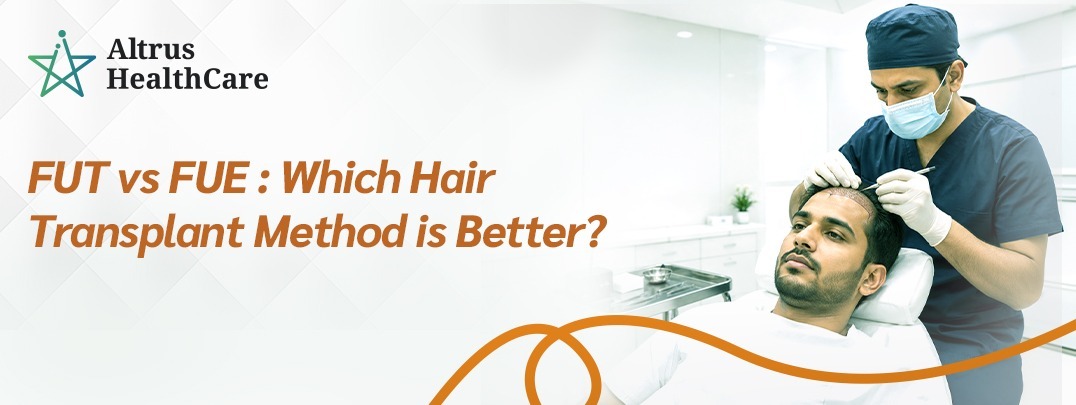
FUT vs FUE: Which Hair Transplant Method is Better

Losing hair can damage your self-esteem and social confidence. For years, many people have been using oils, shampoos, or medicines. Nonetheless, many people are beginning to look for a long-term fix. Modern hair replacement options like FUT and FUE are now very popular.

Hair regrowth surgery is a popular procedure. Nonetheless, patients do not know which one to choose. Some methods work better for specific hair loss patterns. There might be patients who want less scarring or a quicker recovery, and others might be best suited for them.

FUT vs FUE: Which Hair Transplant Method is Better

A hair replacement surgery is about transferring healthy hair follicles from a donor area to those impacted by thinning or baldness. The follicles that are transplanted will heal and grow.

Surgical procedures are done to achieve the natural appearance of hair. It boosts hair density and helps restore confidence. Plus, there are no obvious signs of treatment. FUT and FUE differ mainly in how they remove and transplant hair follicles.

The best hair transplant surgeons check hair quality, donor area strength, scalp health, and hair loss pattern. Then, they suggest the best method for you.

What Is FUT Hair Replacement Surgery?

FUT stands for Follicular Unit Transplantation. This method takes a thin strip of scalp with healthy hair follicles from the donor area. The follicles are then separated carefully and implanted into thinning areas.

One benefit of FUT hair replacement process is that it lets doctors move more grafts in one session. This may be useful for patients with advanced baldness.

However, FUT usually leaves a thin linear scar on the donor area. Some patients like shorter hairstyles. The scar is usually hidden by hair, so they have options. Recovery from this hair regrowth surgery may take longer than FUE.

What Is FUE Hair Replacement Surgery?

FUE, or Follicular Unit Extraction, is a modern method. It involves using special tools to remove individual hair follicles from the donor area. The follicles are then implanted into areas of hair loss.

Many best hair transplant surgeons suggest FUE. It is perfect for patients with a desire for less scarring and a quicker recovery. Healing tends to be quicker due to the absence of a large incision. This also means less discomfort after the procedure.

FUE replacement surgery is popular among younger patients. It’s also a favourite for those who like shorter hairstyles. Nonetheless, individual removal of follicles makes the process likely to take a longer duration.

So, Which Hair Regrowth Surgery Method Is Better?

Each treatment is tailored and personalised for the specific patient. The ideal method depends on several factors, including your needs, the severity of the hair loss, the quality of your donor hair, and your own preferences.

FUT hair regrowth treatment process is more effective for patients who require multiple grafts in one sitting. People choose FUE as it is known to create less visible scars and a quicker recovery.

This is why consulting experienced hair transplant surgeons is crucial. A personalised assessment shows which procedure gives the best natural and lasting results.

Recovery and Results After Hair Replacement Surgery

Both FUT and FUE require patience during recovery. Mild swelling, redness, or temporary shedding of transplanted hair may occur during the initial healing phase.

Patients undergoing hair replacement treatment usually begin noticing new hair growth after a few months, while fuller results become visible gradually over time. Following aftercare instructions is very important for successful healing and hair growth.

Experienced hair transplant surgeons also guide patients on scalp care, washing routines, and recovery expectations after hair regrowth surgery.

Advanced Hair Restoration Support at Altrus HealthCare

Hair restoration at Altrus HealthCare emphasizes personalised planning. They use modern technology and prioritize patient comfort during treatment. The hospital provides advanced hair replacement surgery options. These include FUE (Follicular Unit Extraction) and FUT (Follicular Unit Transplantation). They assess your scalp, diagnose hair loss, and support recovery after the transplant. Altrus HealthCare specialists use advanced treatments like PRP therapy to boost hair growth. This helps patients get complete care from top hair transplant surgeons.

What Should Patients Remember Before Choosing a Hair Transplant Method?

Choosing between FUT and FUE should not depend only on online trends or advertisements. Every patient has different hair goals, scalp conditions, and expectations. The right treatment plan is usually the one designed specifically for your hair loss pattern and long-term needs.

Consulting skilled hair transplant surgeons helps patients grasp the pros and cons of FUT and FUE methods. They’ll also learn about the recovery process and what results to expect. With proper medical guidance, patients can get natural-looking and lasting results from well-planned hair regrowth treatment.

FAQs

Can someone switch from FUT to FUE in future procedures?
Absolutely. Many people shift from FUT to FUE as their needs change. 


Does FUE usually heal quicker than FUT?
FUE heals quicker than FUT in most cases since it doesn’t include removing any part of the scalp. 


Can beard hair be used during hair replacement surgery?
Yes. The best hair transplant surgeons sometimes use beard hair for extra donor sources. 


Does Altrus HealthCare conduct FUT and FUE hair transplants?
Yes, Altrus HealthCare surgeons perform FUT as well as FUE hair replacement surgery procedures.

Signs of Dehydration in Kids — What Every Parent Should Know

Water makes up a huge part of a child’s body weight. When the level of water in their body drops, the impact becomes clearer, quicker in them. A child suffering from vomiting or running around during summers without enough water intake loses more fluids than parents think. 

Dehydration symptoms in children are most often very subtle. They often start quietly, and get overlooked until they turn critical. Learning what dehydration symptoms are in children helps parents act quick. This way, they can act in time, not too late.

Why Children Lose Fluid Faster Than Adults

Children have more body surface area and they lose a lot of water via their skin faster. Their kidneys are not completely mature, and consequently, fluid regulation is not as fast. Younger children also struggle to communicate when they feel thirsty. They depend entirely on caregivers to recognise when they’re thirsty.

The causes of dehydration in children are generally straightforward. Fever can lead to an increase in fluid loss through sweating as well as through faster breathing. Vomiting and diarrhoea can also cause young children to become dehydrated very quickly due to loss of fluids often occurring within a few hours. There are many situations where one does not have enough to drink: when you are sick, when it is hot outside, or when you are too busy to drink. 

The 10 Dehydration Symptoms Parents Should Recognise

As you continue to lose fluids, most common 10 signs of dehydration will appear more readily and more severely. Recognising ten dehydration symptoms can help a parent better assess the situation their child may be experiencing. Dehydration symptoms include but are not limited to:

  • Dry mouth and tongue
  • Less urination
  • Dark yellow or concentrated urine
  • No tears when crying
  • Sunken eyes
  • Unusual irritability or tiredness
  • Cool, blotchy skin
  • Rapid breathing
  • A sunken soft spot on the head
  • In severe cases, dizziness or confusion

Not all ten dehydration symptoms will occur together. If there are three to four signs of dehydration that are present in a child who has had an illness for several hours, immediate medical attention is necessary. A child who has a decrease in urine output, is developing sunken eyes, and/or is displaying irritability after having vomiting or diarrhoea needs to see a physician and you should not attempt to treat this at home. 

What Dehydration Looks Like in Infants Specifically

Because dehydration can become severe very rapidly, babies require special attention where dehydration is concerned. One of the best indicators of hydration is the number of times a baby has a wet nappy. A healthy newborn/infant should have multiple wet nappies each day, so if the number greatly reduces, fluid intake should be immediately evaluated.

Crying without tears, a soft spot on the skull, sunken eyes, excessive sleepiness, and/or a lack of muscle tone indicate that a baby needs to be seen by a doctor on the same day; you should not just monitor these dehydration symptoms.

Causes of Dehydration Worth Understanding Beyond the Obvious

Most parents correctly connect causes of dehydration to illness. But several less obvious triggers are worth knowing. Children with diabetes may also lose large amounts of liquid through their frequent urination. Some medications, especially some used to treat infections, may cause children to lose extra fluids than normal too.

Mouth sores or a sore throat as a result of a viral infection can make it very difficult for children to drink fluid. Because swallowing hurts, children tend to not swallow any fluid at all. 

Paediatric Care That Looks at the Whole Picture

At Altrus HealthCare, children with dehydration are seen by skilled paediatric specialists who check fluid status and look for underlying causes. Our paediatric department handles a wide range of issues including acute illnesses and infections that cause dehydration. We provide emergency care and PICU support with our team of paediatric and neonatology experts. 

Hydration Is Not Just a Summer Concern

Parents are more likely to notice dehydration in children during summer, often failing to identify common 10 signs of dehydration during winters or monsoon seasons. Year-long dehydration in children can happen due to winter illnesses, indoor heating, and less thirst.

Parents like having tools to manage dehydration. Forming consistent habits and noticing things earlier is involved in this. Knowing the causes apart from fever and diarrhoea is also crucial. Learning when to consult a doctor instead of self-managing is vital.

FAQs


Can a child have dehydration while still having fluids? What are common dehydration symptoms?
Yes, a child can become dehydrated if they lose more fluids from vomiting, diarrhoea or fever than they take in. It is not only a matter of drinking but also how much and how well your body absorbs it.


Are OR solutions better than water or juice for rehydrating a sick child?
OR mixes have an accurate blend of salts and glucose. This combination quickens fluid absorption by the gut. In such cases, they hydrate more effectively than plain water or juice when someone is sick and dehydrated or has gastro related symptoms.


Does Altrus HealthCare treat dehydrated paediatric cases for IV fluids?
Indeed, Altrus HealthCare’s paediatric team can treat moderately dehydrated or severely dehydrated children. They also offer dedicated emergency care and PICU support for critical situations.

Questions Parents Should Ask a Paediatric Surgeon Before Surgery

When parents learn that their child needs surgery – even routine surgery – they’re often worried. In such moments when you’re feeling anxious about your child’s upcoming surgery, an excellent resource for alleviating that anxiety will be to speak with the best paediatric surgeon in Dehradun.

The right questions help understand the condition, the treatment choice, and recovery processes. Families visiting a trusted paediatric surgery hospital should collect as much information as they can. This will help them make better choices.

Picking the Best Paediatric Surgeon in Dehradun is Essential

Some say that children’s surgical treatments are even more complex than adults. Their muscles and tissues are still forming and growing, and one tiny error in the treatment can stunt their growth forever which is why the best paediatric surgeon in Dehradun are in high demand. 

The paediatric anesthesia team will give anesthesia during surgery and also help with recovery. A skilled surgeon in a reputed hospital in Dehradun has the latest technology and newest facilities. 

A preferred paediatric surgery hospital will focus not only on the operation but also on emotional assurance for the patients and their parents.

Understand the Diagnosis and Surgical Requirements 

The first question parents should ask the best paediatric surgeon in Dehradun is simple: “Why does my child need surgery?”

Various conditions can have diverse treatment paths like medication, monitoring, lifestyle changes, etc. So, if a surgery is suggested, it is essential to know why. 

A qualified surgeon at a reputed paediatric surgery hospital will explain the medical condition in simple terms. They may also use images or scans to help parents understand what is happening inside the body.

Learn about the Surgical Procedure

Parents ought to always ask the best paediatric surgeon in Dehradun to share how the surgery will be performed. 

Cutting-edge procedures in a renowned hospital in Dehradun many times include new tools, advanced methods, and faster recovery times. Learning about them helps remove fears and gain clarity. Inquiring about the commonality of the procedure and the frequency with which the surgeon performs it at their paediatric surgery hospital is also helpful.

Discuss Risks and Safety Steps

All surgeries involve some risk. However, skilled specialists can reduce these risks. Parents can ask the best paediatric surgeon in Dehradun about complications and how to manage them.

A trustworthy hospital has trained teams for every specialisation. It also offers emergency care and specialised monitoring for children. These safety measures play a major role in successful outcomes.

Surgeons should tell parents what symptoms to watch for after surgery. They should also explain when to seek medical help.

Inquire About Recovery and Aftercare Following Surgery

Before leaving the consultation, parents should ask the best paediatric surgeon in Dehradun about recovery timelines, length of hospital stay, and more. 

Children recover from surgery faster than adults but still, they need ample rest and nutrition. They also need follow-up appointments to heal fully. Parents can get details about caring needs after the surgery. This covers insights like wound care, medication schedules, dietary tips, and activity restrictions from the paediatric surgery hospital 

After surgery, parents should ask about follow-up care. Hospitals offering multidisciplinary care in a trusted hospital environment often provide better long-term support.

Paediatric Surgical Care at Altrus HealthCare

When parents are contemplating surgery for their child, the most important aspects are clarity, trust and comfort. At Altrus HealthCare, we partner with families by providing expert care, specialised treatment teams and a family-friendly environment .

We explain each step of the surgical journey clearly. Our specialists provide safe and well-planned treatment for children and help kids from diagnosis and pre-surgery checks to recovery planning. This is done in a supportive setting. As a top hospital in Dehradun, we prioritize surgical precision. We provide reassurance and information to parents while their children are receiving expert care.

What Should Parents Remember Before Surgery Day at the Best Paediatric Surgery Hospital?

Parents and kids feel less anxious when they are ready for surgery. Choosing the best paediatric surgeon can help make the process easier. They share key details like dietary restrictions. It also covers prescription drugs for before or after surgery. Lastly, there are appointment times.

Parents should explain the hospital visit using simple words. paediatric hospitals create a welcoming environment. 

FAQs

What requirements are there for my child’s consultation prior to surgery from the best Paediatric surgeon in Dehradun?

Bringing your child’s medical records, previous test results and vaccinations, a list of all current medications, and a copy of any anticipated medication allergies is beneficial.

How long prior to my child’s pre-surgery appointment will my child be allowed to eat or drink?

Surgeries normally require fasting. The specific number of hours depend upon the type of surgery and are informed by the doctor prior to the procedure. 

What makes a hospital right? 

The right hospital has all amenities that make the surgery experience positive for a patient. Experienced doctors, new technological tools, compassionate staff, and care facilities for all needs.

IVF Success Tips from Top IVF Doctors in Dehradun

Trying to conceive is an emotional phase in a couple’s life, while every unsuccessful attempt can cause disappointment and stress. In such cases, fertility treatments become the ideal solution to the rescue of countless couples who want to become parents. The treatment’s success, however,  depends on the medical expertise of doctors, treatment planning, and lifestyle habits of the couple.

As such, couples are recommended to begin their fertility treatment at the best IVF center in Dehradun. The expert doctors at these facilities not only perform the treatment but also advise patients on how to physically and emotionally prepare for the process. Advice from the best ivf doctor in Dehradun can significantly improve the chances of successful conceiving. 

Advice For Potential Couples from Fertility Specialists

Many couples think that IVF treatments mean a sure shot at pregnancy. However, fertility specialists have said that success in IVF depends on details like age, egg quality, sperm health, and uterine conditions of the couple. 

A renowned infertility specialist in Dehradun begins the treatment with a detailed fertility exam for both partners. This involves  numerous types of tests including hormone tests, ultrasound scans, and testing sperm quality, and many more. At the best IVF center in Dehradun, doctors also check the fallopian tubes using novel techniques to identify blockages or abnormalities.

These tests help in making a personalised treatment plan which increases the chances of success.  

Timing Makes or Breaks Success

In IVF treatments, timing is of utmost importance. During ovarian stimulation, hormonal medicines are utilised to make the ovaries produce multiple eggs.

The best IVF doctor in Dehradun are known for closely tracking follicle development with the help of ultrasound scans. Based on the observations, they decide the ideal time for retrieving eggs and their fertilisaton. At the best IVF center in Dehradun, careful tracking of all factors helps couples make sure that eggs are collected at the right stage of maturity, which increases success.

Couples thinking about IVF need to make sure they don’t miss the appointments. This is important as a single miss can delay the whole process. 

Changes in Lifestyle to Improve Results 

Fertility specialists explain that IVF treatment works best when it is complemented by healthy habits. As such, before a couple starts the treatment, the best IVF doctor in Dehradun advises that they focus on overall health.

Weight, stress, and diet management can help couples improve their health and increase chances of conceiving. On the other hand, habits like smoking and drinking should be avoided. 

Every infertility specialist in Dehradun with experience also suggests physical exercise and ample sleep for wellness. 

Decoding Novel Fertility Techniques at the Best IVF Center in Dehradun

Today’s IVF treatment involves refined techniques which improve fertilisation and implantation chances. At the best IVF centre, doctors utilise procedures like ICSI. In this, a single sperm is injected directly into the egg.

LAH is another high-tech method used by the best IVF doctor in Dehradun to improve implantation. This technique gently makes a small opening in the outer layer of the embryo, helping it attach to the uterus. Many other methods also exist and can be used based on the individual needs. 

Why Emotional Support Is Important during IVF Treatment

IVF can get overwhelming very quickly with endless waiting, tracking, and hoping causing stress. 

This is why many doctors at the best IVF center in Dehradun encourage couples to focus on positive thoughts and build a positive environment around them. Talking openly with the infertility specialist in Dehradun can help couples find comfort and confidence. 

Fertility Care at Altrus HealthCare

Couples looking for fertility treatment at Altrus HealthCare get a complete examination for their health and a thorough support in their individualised journey. As a recognised best IVF center in Dehradun, our clinic offers advanced fertility services suited for various IVF patient requirements. Our specialists carefully assess both partners to create customised treatment plans, holding their hand through every stage of care. Under the supervision of the best IVF doctor in Dehradun and dedicated infertility specialist in Dehradun, we offer complete treatment for couples.

What Couples Should Remember 

Fertility treatment isn’t just another medical process, it is also emotionally and physically demanding. Finding the best IVF center in Dehradun helps couples get the right diagnosis,  access to latest technologies, and benefit personalised care.

FAQs

Does stress impact success in IVF, according to the best IVF doctor in Dehradun?
Stress is known to directly influence the success or failure of an IVF treatment. 

Does embryo freezing help during IVF treatment at the best IVF center in Dehradun?
Embryo freezing can help in keeping healthy eggs useful for a long period of time so that couples can use them when they are ready to have children. Which should I choose: IVF or ICSI?
Choosing IVF or ICSI depends on individual cases with ICSI commonly suggested in cases of male infertility because of low sperm count or poor motility.