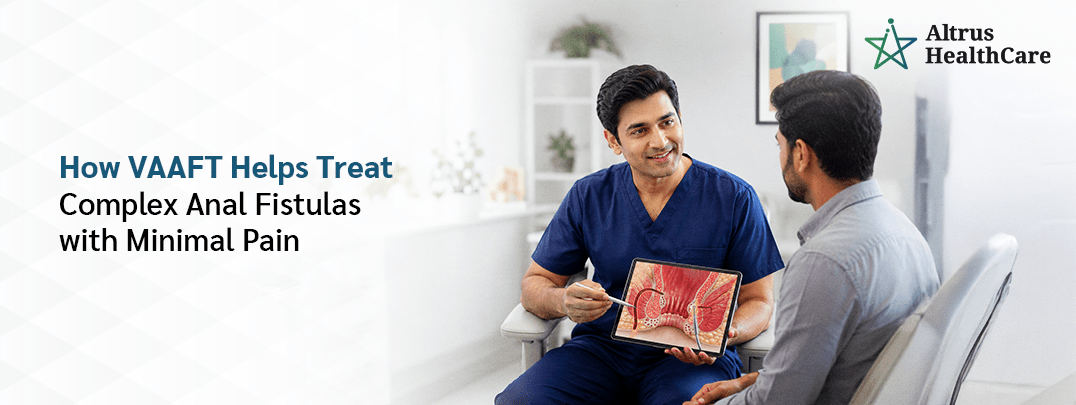
How VAAFT Surgery Helps Treat Complex Anal Fistulas with Minimal Pain

VAAFT is a relatively recent innovation in surgical treatment of complex fistulas, a minimally invasive technique that aims to spare the important bowel control mechanisms called sphincter muscles. Thorough patient selection ensures that the patient will find VAAFT to be a more comfortable alternative to traditional, more invasive operations.

Fortunately, surgeries for fistula have made much improvement in the last decade. Most promising is the VAAFT surgery– a minimally invasive surgery that enables the surgeons to address complicated fistulas while not damaging the important muscles of bowel control. For carefully selected patients, VAAFT treatment offers an effective alternative to more invasive operations with a shorter and more comfortable recovery.

Why Some Anal Fistulas Are More Difficult to Treat

An anal fistula is an abnormal track or passageway that runs from the lining of the anal canal to the skin outside the anus. A fissure typically forms after an infection called an anal abscess, a collection of infected material near or in the anus that doesn’t fully resolve. When the condition leads to more involved fistulas, they pose significant challenges for surgeons who must treat and close fistula tracts without causing the patient to experience loss of bowel control.

Early identification of the signs and anal fistula symptoms include a feeling of swelling and pain around the anus, repeated abscess formation or anal bleeding-will enable individuals to obtain timely and appropriate treatment before the disease becomes intractable.

What Makes VAAFT Surgery Different?

Instead of cutting down through the skin of the perineum to expose the fistula, VAAFT uses a scope (a tiny tube) to look into the fistula from the inside out.

A specially designed fistuloscope with a tiny camera is introduced through the external opening. When using the scope, the surgeon can directly visualise the entire fistula and its branches, using a special tool inserted into the scope to cauterize or tie off the fistula tract. The less tissue the surgeon disturbs the easier the wound is expected to be for the patient.

Because the surgeon works under direct visual guidance, VAAFT treatment is particularly useful for complex or recurrent fistulas where identifying every branch is essential.

Why Patients Often Recover More Comfortably

Postoperative pain is a common concern before any surgery.

However, because VAAFT surgery does not require external cutting or the creation of a large surgical wound, many patients experience considerably less pain compared to open surgery. The absence of a large surgical incision also means there is generally less wound care during recovery.

Many patients are able to return to light daily activities much sooner, although the exact recovery period depends on the complexity of the fistula and the individual’s overall health.

Is Every Patient Suitable for VAAFT Surgery?

Although VAAFT treatment has many advantages, it is not the right procedure for every anal fistula.

Low, simple fistulas can often be treated successfully with more straightforward surgical techniques.VAAFT is considered in patients with complex fistulas or recurrent disease, especially when the sphincter mechanism needs to be carefully protected.

As Dr. Mohammad Atif Khan, Consultant, Gastro-intestinal & General Surgery at Altrus HealthCare, explains, “The success of fistula surgery depends as much on selecting the appropriate procedure as performing it well. VAAFT allows us to visualise the fistula tract directly, which is especially valuable in carefully selected complex cases where preserving normal bowel function is a priority.”

Therefore, the decision on which approach to take requires accurate diagnosis and careful examination.

Looking Beyond the VAAFT surgery

Successful treatment involves more than surgery: Postoperative care to ensure proper healing, prevent complications, educate patients about home wound care, bowel management and diet, and guide them with the follow-up plan and visits is critical.

Most patients are advised to practice good hygiene in the anal area, maintain a high fiber diet to prevent constipation, and drink adequate liquids, and notify their physician of any concerns.

Specialised Care Makes a Difference

At Altrus HealthCare, Dehradun’s trusted multispeciality hospital, we understand that managing a complex anal fistula can be daunting. The surgical expertise in our GI & General Surgery team and VAAFT surgery approach are at the forefront of modern minimally invasive procedures in addressing complex anal fistulae and the most critical challenge, protecting maximal sphincter control to maintain bowel control. Each of our patients is cared for comprehensively, from the first assessment and consultations, through the procedure, surgery and follow up with an aim to help them return to their day-to-day life.

The Right Treatment Starts with the Right Assessment

Many patients, burdened with the presence of a persistent fistula, put off medical intervention, hoping it will spontaneously resolve, but it seldom does. 

A continuously discharging fistula is a signal for professional medical intervention. Contemporary methods such as VAAFT surgery are revolutionising the management of challenging or complex anal fistulas and their recurrent form. The minimally invasive nature of these techniques permits a less invasive approach to these challenging issues, resulting in a less uncomfortable and speedier recovery. Treatment must be individualised to the unique architecture of each fistula; no “one size fits all” solution.


Pregnancy Experts Dietary Advice for Women with Diabetes and High Blood Pressure

Women need more from their bodies during pregnancy, and the necessity of good nutrition becomes more critical. Good nutrition is not only important during pregnancy for the healthy development of a growing baby, but it becomes even more important for mothers who develop gestational diabetes, hypertension (high blood pressure), or diabetes.

Eating healthy can’t substitute for medical treatment. However, a balanced meal plan can help in keeping blood sugar under control, help manage the body’s blood pressure, and also ensure a healthy pregnancy. Visiting the best doctor for pregnancy in their area can help women avail tailored dietary advice based on their disease, pregnancy phase, and nutritional requirements.

A Healthy Pregnancy Diet Is Never One-Size-Fits-All

In their efforts to eat a ‘healthy’ pregnancy diet, many mothers search online for foods that are ‘good’ or ‘bad’. However, the advice given regarding diets often changes from individual to individual, depending on health issues.

According to  Dr Anoosha K Ravi, Consultant, Obstetrics, Gynaecology & FMAS at Altrus HealthCare, the best doctor for pregnancy, nutrition plans should always be tailored to the mother’s medical needs rather than following popular trends.

“Pregnancy is not the time for restrictive diets or eliminating entire food groups without medical advice. Women with diabetes or high blood pressure need balanced nutrition that supports both maternal health and the baby’s development. Small, consistent dietary changes often make a greater difference than drastic changes.”

Hence why regular prenatal visits with the top doctor for pregnancy are crucial in the entire span of pregnancy.

Managing Blood Sugar Starts with Smarter Carbohydrate Choices

Pregnant mothers with diabetes do not need to exclude carbohydrates, it would rather require you to go for healthier carbohydrate sources and portion controls.

Grains like whole wheat, oats, brown rice, millets, whole wheat flour for your bread, lentils, and pulses would give off energy slowly, in contrast to quickly digested food that’s heavily refined. Eating your carbs along with healthy fats and protein can prevent sharp sugar spikes.


One of the top Pregnancy nutrition tips during pregnancy by the best doctor for pregnancy would be to consume frequent, smaller meals as opposed to bigger meals at prolonged gaps.

Supporting Healthy Blood Pressure Through Everyday Meals

Your doctor will closely monitor blood pressure during pregnancy as untreated, elevated levels can elevate the chance of pregnancy complications. 

A well-balanced diet for pregnant women usually comprises abundant fruits, vegetables, pulses, whole grains, lean protein, seeds, and nuts. 

Ensure you drink a sufficient amount of water during your pregnancy. However, as everyone’s needs may vary, check with your doctor regarding the quantity.

Protein Becomes Even More Important

A mother requires a good amount of protein to build the baby’s health, and to change the mother’s body according to the baby. Healthy foods for protein include milk, curd, eggs, paneer, beans, pulses, fish, and lean poultry. 

Including protein with each meal may also help women with diabetes maintain more stable blood sugar levels.

The most popular Pregnancy nutrition tips by the best doctor for pregnancy would probably recommend taking enough vitamins, and protein intake must not be disregarded.

Don’t Forget Healthy Fats and Essential Micronutrients

Healthy fats are necessary for the baby’s brain and nervous system development.

Foods such as walnuts, almonds, flaxseeds, and appropriately chosen vegetable oils provide beneficial fats as part of a balanced healthy pregnancy diet. Iron, calcium, folic acid, vitamin D, and other supplements should always be taken exactly as prescribed by the treating doctor rather than self-medicating.

Women should also attend regular antenatal appointments so nutritional requirements can be adjusted as pregnancy progresses.

Foods That Deserve Extra Attention According to the Best Doctor for Pregnancy

Women with diabetes or high blood pressure do not usually need highly restrictive diets, but certain foods should be limited.

Sugary drinks, sweets, refined bakery products, heavily processed snacks, and foods containing excessive salt may make blood sugar or blood pressure more difficult to manage.

Instead of focusing only on what should be avoided, the emphasis should remain on building balanced meals using fresh ingredients prepared at home whenever possible.

Pregnancy Nutrition Is Only One Part of Safe Antenatal Care

Good nutrition works best alongside regular medical monitoring.

At Altrus HealthCare, Dehradun’s trusted multispeciality hospital, antenatal care combines nutritional guidance with routine pregnancy monitoring, ultrasound evaluation, high-risk pregnancy management, screening tests, labour preparation, and personalised obstetric care. Women receive individual support throughout pregnancy so that dietary advice, medical treatment, and foetal monitoring work together to promote the healthiest possible outcome for both mother and baby. This comprehensive approach helps expectant mothers make informed decisions under the guidance of the best doctor for pregnancy.

Every Healthy Meal Is an Investment in Mother and Baby: What the Best Doctor for Pregnancy Recommends

Women diagnosed with diabetes or high blood pressure often feel anxious about pregnancy, but many go on to have healthy pregnancies with appropriate medical care and sensible lifestyle adjustments.

A balanced healthy pregnancy diet, regular antenatal check-ups, appropriate physical activity when advised, and close monitoring all contribute to healthier pregnancy outcomes. Rather than following generic advice from the internet, expectant mothers should work closely with the best doctor for pregnancy to develop a plan that meets their individual health needs and supports the baby’s growth throughout pregnancy.

Pediatricians Recommend: Monsoon Immunity Booster Foods Every Parent Should Know About

Arrival of monsoon is a source of enjoyment for children. When schools reopen, the weather turns nice and outdoor playing becomes more pleasant. It’s also the time when coughs, colds, stomach infections and seasonal viral infections become more prevalent.

When kids fall sick, many parents seem to look for a ‘superfood’ that’ll “boost immunity” or some ingredient that’ll block infections. In reality, immunity develops over time with good food, sleep, physical activity, vaccines, and other healthy daily habits. A well-planned monsoon diet for children nourishes the body’s natural defence system and allows children to recover quickly.

Instead of just addressing the existing infection, it’s wiser to consult with the best child specialist doctor in times of repeated illness in the monsoon season regarding your child’s general health. 

There Is No Magic Food for Immunity According to the Best Child Specialist Doctor

Parents are often surprised to hear this from paediatricians or from the best child specialist doctors. 

Dr. Piyush Chaudhary, Consultant, Paediatrics & Neonatology at Altrus HealthCare, says, “One of the biggest misconceptions we see is that immunity can be improved overnight with a particular food or supplement. Healthy immunity develops gradually through balanced meals, regular sleep, good hygiene, physical activity, and timely vaccinations. These everyday habits have a much greater impact than any single product marketed as an immunity booster.”

Pediatricians suggest that instead of finding a one-time, ready-to-eat cure, incorporate mindful eating into your child’s routine.

Fresh, Colourful Foods Should Be on the Plate Every Day

For a sturdy immune system, your little one requires a dose of the right minerals, antioxidants, vitamin as well as fiber, consistently and adequately.

Parents should provide a variety of foods rather than the same foods every day. When you serve your child a colourful plate, it usually consists of a wide range of nutrients naturally. Thus, it becomes a healthier monsoon diet for children, as per the recommendations of the best child specialist doctors. 

Protein Is Often the Missing Piece

A lot of parents focus mostly on fruits for their kids’ immunity, while protein gets sidelined.

The presence of eggs, curd, milk, fish, lean chicken, pulses and beans in one’s diet assists the body in creating antibodies to combat infections and heal and repair tissues after recovering. Children consuming a sufficient amount of protein usually also recover better from infections.

One of the simplest monsoon health tips for kids is to always ensure that every important meal contains a good protein source. This is a valuable habit that parents can adopt, according to the best child specialist doctors. 

During Monsoon, Food Safety Matters as Much as Nutrition

Bacterial and fungal growth find it easiest during the rainy season. Foods can turn harmful due to improper storage and preparation, and must be avoided to prevent falling sick.

It’s best to have freshly prepared meals rather than those prepared hours ago during the monsoon; all fruits and vegetables should be washed under running water, and street food, uncovered snack items and external cut fruits must be strictly avoided. 

In the monsoon, stomach infections are common which can be avoided by just following these simple precautions.

Don’t Let Children Forget to Drink Water

Due to cooler weather, children do not necessarily drink enough water often without their own realisation. 

Hydrating the body well ensures that the blood can circulate well, aiding digestion as well as circulation and other functions. Water should still be the focus, alongside any of the available home-cooked soups (with a mild spice level), tender coconut water and buttermilk. 

Sugary beverages, including sweet beverages and packaged products, contain excess amounts of sugar.

A Healthy Diet Works Best Alongside Healthy Habits

Even the healthiest meals cannot prevent every infection.

Hand washing regularly, getting enough sleep, daily physical activity, access to clean drinking water, and vaccination against communicable diseases are some important monsoon health tips. Parents should also consult a doctor if any child has a very persistent fever, repeated vomiting, difficulty breathing, unusual drowsiness, refusal of food and fluids for a long time.

While good nutrition is essential for a child’s immunity, it is equally important to know when a child needs medical help.

Looking After Growing Children at Every Stage

There’s much more to supporting children’s health than curing disease. At Altrus HealthCare, Dehradun’s trusted multispeciality hospital, children are looked after throughout their lives, from birth to adolescent age. The child is offered vaccinations and monitoring of growth and development, nutrition counselling and management of infectious diseases. Other children’s health aspects like adolescent health, behavioural management, rehabilitation services, emergency services and PICU technologies are at your service at Altrus HealthCare. At the best child specialist hospital in Dehradun, the best child specialist doctors are focused on helping families foster healthy habits and providing timely medical care when a specialised treatment is useful.

Small Daily Choices Make the Biggest Difference

Parents do not need to buy very expensive and advanced dietary supplements. If a parent focuses on the quality of the child’s food, provides plenty of fruits and vegetables, good protein content, adequate hydration, good quality sleep and regular physical activity. 

By consulting with the best pediatrician and incorporating these easy suggestions daily, you can make sure your child not only has a better monsoon season but also develops soundly throughout their formative years.

New IVF Technologies at the Best IVF Hospital Dehradun That Are Improving Pregnancy Outcomes

Couples beginning fertility treatment think of this as their first question: “Has IVF become more successful over the years?” The answer is yes, but probably not for the reasons you might expect. 

IVF progress has resulted from a series of small refinements, rather than a single dramatic change. Our improved lab and embryo screening capabilities, and personalising our patients’ treatment plans, allow our fertility experts to tailor services that support both better chances of conceiving and minimise unnecessary treatment. It’s personalisation that has turned into one of the most exciting advancements in modern fertility services. 

Selecting an experienced IVF hospital Dehradun means getting access to these novel techniques and advanced IVF treatments, as well as a medical team which understands when treatment will be beneficial and when a simpler approach is the way to go.

Modern IVF Is About Choosing the Right Technology at the Best IVF Hospital Dehradun

Everyone’s fertility journey is different. A couple dealing with male infertility requires a different treatment strategy from someone with recurrent implantation failure or reduced ovarian reserve.

Dr. Priyanka Bhadana, Clinical Director, IVF & Fertility Treatments at Altrus HealthCare, reminds couples that technology should support clinical judgement, not replace it.

“One of the most common misconceptions is that using every available technology automatically improves IVF success. Our approach is to understand why pregnancy has not occurred and then recommend only those techniques that genuinely improve the couple’s chances based on their medical condition.”

This personalised approach of advanced IVF treatments at the best IVF hospital Dehradun has become one of the most important developments in modern fertility care.

ICSI Has Changed the Way Many Male Fertility Problems Are Treated

Many of our most exciting IVF advances can be attributed to Intracytoplasmic Sperm Injection (ICSI). In the process of ICSI, a single normal sperm is injected directly into an egg, a technique that’s now widely used whenever sperm quantity, motility or morphology are compromised, or sperm retrieval is necessary following PESA, TESA, or MESA.

For many couples who previously had limited treatment options, ICSI has become an important part of successful IVF treatment as it also offers the advanced Embryo selection technology solutions.

Better Embryo Development Leads to Better Decisions

A central aim of modern fertility treatment is not simply the development of embryos but also the selection of those with the highest chance of successful implantation.

Blastocyst culture enables embryos to develop in the lab for several days before transfer, giving our embryologists time to assess growth and ensuring selection technology provides excellent results.

Instead of transferring all embryos earlier, medical teams are better able to decide which embryos are best suited for your treatment plan and overall health. Embryo selection technology can be achieved at the best IVF hospital Dehradun.

Improving the Chances of Successful Implantation

Even a healthy embryo must successfully implant within the uterus before pregnancy can occur.

For many women with specific needs, the IVF procedure has evolved to include options like laser-assisted hatching, where a small opening is made in the outer layer of an embryo, facilitating hatching, and preparing it to implant. 

Another technique like endometrial receptivity testing shows whether the uterine lining is prepared to receive an embryo. For some individuals and couples this means adjusting when the transfer happens can help improve the chances of success.

It should be understood, however, these treatments are not appropriate for every patient.

Preserving Fertility for the Future

Medical innovation has given individuals and couples greater flexibility to plan family creation: through fertility preservation (freezing sperm, eggs and embryos), allowing individuals to start families at times that are best for their life circumstances.

Over recent years frozen embryo transfer procedures have improved and it is now possible to thaw embryos with excellent post thaw viability. Some women find that a transfer at a later time frame offers their womb a more favourable environment for successful implantation than immediate transfer post egg retrieval.

The Value of Personalised Fertility Care

Successful infertility treatment from the best IVF hospital Dehradun relies not just on high-technology alone but relies on accurate diagnosis, meticulous careful planning, highly expert clinical practice and diligent, continuing medical care.

With Altrus HealthCare, Dehradun’s trusted multispeciality hospital offering the best IVF & infertility treatment, we begin our treatment by looking at both partners, not just one factor. Our services include ovulation induction, Intrauterine insemination (IUI), IVF, ICSI, Laser assisted hatching, blastocyst culture, Frozen embryo transfer, endometrial receptivity testing, preimplantation genetic testing, fertility preservation, Cryopreservation services and tailored male infertility solutions such as PESA, TESA and MESA treatments, all under the clinical supervision of Dr Priyanka Bhadana. The actual plan we will create is unique to you and is based on our full assessment, no “standard protocols”.

Looking Beyond Technology

Technology has moved the field forward but ultimately, it remains a tool. The truly significant advancements in fertility treatment are found in the increased understanding that our individual medical histories, fertility challenges and unique treatment goals are all critically important. 

The combination of well-applied advanced treatment technology and the insight that comes from rigorous diagnosis and experienced judgement has created the solid ground on which a healthy pregnancy can grow. A good IVF hospital Dehradun that embraces all that fertility can offer, offers technology where and when it’s most effective, that is the future of fertility treatment.

FAQs

Do minimally invasive anorectal procedures help in faster recovery?

Minimally invasive anorectal procedures may help reduce pain, support quicker healing, and allow suitable patients to return to work earlier. The recovery time still depends on the type of condition, procedure performed, and the patient’s overall health.


Can sitting for long hours slow healing?
Extended periods of sitting might be a cause of increased pain for some people and for this reason short walks and frequent position changes may be prescribed by doctors during your Anorectal Surgery Recovery.


Should I continue with fibre supplements if I eat well?
Even if you consume nutritious foods, your doctor may still wish you to take fibre supplements depending on your bowel habit and the type of Anorectal Treatment undertaken.


How can my doctors determine how well I am recovering?

The follow-up appointment allows doctors to check on the site of the operation and evaluate the recovery from Anorectal Surgery before potential problems are able to arise.

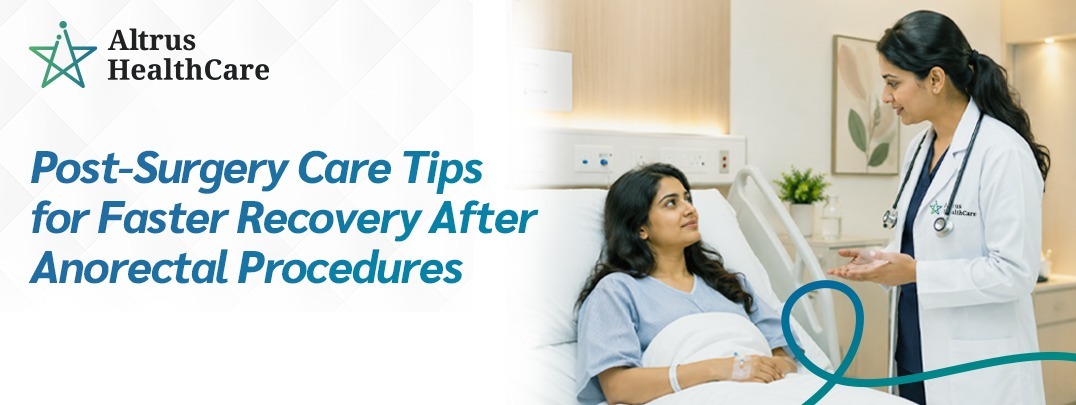
Post-Surgery Care Tips for Faster Recovery After Anorectal Procedures

Anorectal surgery is helpful for people who have painful problems like haemorrhoids, fissures, and fistulas. The surgery is very important. The phase right after the surgery is just as impactful in determining results. People who undergo anorectal surgery get advice from their doctors about recovery practices, which ought to be followed carefully.

A lot of patients feel unsure of how they will recover once out of the hospital. Learning the best practices for anorectal surgery recovery makes the process less intimidating and stressful. Medical advice given by the doctor should be followed to the letter, with a few lifestyle changes to support faster recovery. 

Minimally Invasive Anorectal Treatment for Faster Recovery

Modern anorectal treatment has become more patient-friendly with the use of minimally invasive procedures. These techniques are designed to reduce pain, support quicker healing, and help suitable patients return to daily work and routine activities earlier than conventional surgery.

At Altrus HealthCare, different minimally invasive treatment options are offered depending on the patient’s condition and diagnosis. For piles or haemorrhoids, procedures such as laser hemorrhoidoplasty and stapled hemorrhoidopexy may be advised. For fissures, laser-guided fissurectomy can help treat the affected area with precision.

Patients with pilonidal sinus may be treated through endoscopic pilonidal sinus treatment, also known as EPSiT, or laser treatment for pilonidal sinus, also called PiLAC. For fistula cases, options such as video-assisted closure of the fistula tract and laser-guided treatment for fistula may be considered.

The right treatment depends on the type, stage, and severity of the anorectal problem. A surgeon evaluates the patient before deciding which procedure is most suitable.

Why the First Few Days of Anorectal Surgery Recovery Matter

The few days following your anorectal surgery are crucial to your anorectal surgery recovery. During these few days, your body begins the process of tissue repair and decreases the amount of inflammation surrounding the surgical area.

Minor pain, swelling, or discomfort when sitting may be experienced after several anorectal procedures. If self-care principles are implemented, these symptoms will gradually resolve.

Keep the Surgical Area Sanitary 

Keeping yourself clean is a part of anorectal surgery recovery. You should clean the area that was treated gently after you use the bathroom. You should do this the way your surgeon told you to.

If you are having anorectal treatment, you should always follow the instructions that your doctors give you for taking care of your wound. This is because different surgeries might need different kinds of care. Your surgical team will give you instructions so you should follow those.

Eat Food Rich in Fiber 

Your diet can play a very important role in anorectal surgery recovery. Hard stool will place additional stress on the tissues after anorectal surgery, and can add to bowel movement discomfort. A diet with a good amount of fiber, fruits, vegetables, whole grains, and legumes helps in getting softer stools and regular bowels. Plenty of fluids can also help in this area.

Gradually Return to Physical Activity

Although rest is essential postoperatively, inactivity can slow recovery. Some walking is necessary for benefiting circulation as well as wound healing.

Avoid lifting heavy objects, exercising vigorously, or placing stress on the incision site until you are cleared by a physician. Every patient’s anorectal surgery recovery will vary somewhat. Depends on what kind of surgery they had and how healthy they are overall.

If you follow the rules your surgeon gives you about what you can and cannot do, you can avoid putting much strain on your body while you are recovering from Anorectal Surgery.

Watch for Warning Signs

In general, patients get better from anorectal surgery without any complications. But they should watch out for symptoms that need a doctor’s help. If you have symptoms of a persistent fever, excessive bleeding, excessive pain, unusual discharge, or difficulty urinating, then you should contact your doctor immediately.

Finding out about problems means that doctors can do something about it quickly if they need to. People who are recovering from anorectal treatment should never be afraid to call their doctor if something does not feel right while they are getting better.

Surgical Care and Recovery Support at Altrus HealthCare

Having surgery is not just about what happens in the operating room. At Altrus HealthCare, patients receive support before and after treatment so they can recover with better comfort and confidence.

The hospital provides minimally invasive anorectal treatment options for conditions such as piles, fissures, fistula, and pilonidal sinus. These procedures are planned to reduce pain, support quicker recovery, and help suitable patients return to work and daily activities earlier.

As a trusted hospital in Dehradun, Altrus HealthCare focuses on diagnosis, treatment planning, surgery, and follow-up care. Doctors and nurses guide patients through recovery after anorectal surgery with personal advice, monitoring, and timely support.

FAQs

Do minimally invasive anorectal procedures help in faster recovery?

Minimally invasive anorectal procedures may help reduce pain, support quicker healing, and allow suitable patients to return to work earlier. The recovery time still depends on the type of condition, procedure performed, and the patient’s overall health.


Can sitting for long hours slow healing?
Extended periods of sitting might be a cause of increased pain for some people and for this reason short walks and frequent position changes may be prescribed by doctors during your Anorectal Surgery Recovery.


Should I continue with fibre supplements if I eat well?
Even if you consume nutritious foods, your doctor may still wish you to take fibre supplements depending on your bowel habit and the type of Anorectal Treatment undertaken.


How can my doctors determine how well I am recovering?

The follow-up appointment allows doctors to check on the site of the operation and evaluate the recovery from Anorectal Surgery before potential problems are able to arise.

Understanding Pregnancy Loss: Missed Abortion and Other Types of Miscarriages

Pregnancy brings enormous hope — which makes loss all the more difficult to process. Unfortunately, every pregnancy does not turn to birth. Many pregnancies lead to miscarriages, but there is so much confusion regarding them. Pregnancy loss awareness is key as it will help women understand the early warning signs in relation to their health as well as give them hope during the process. Also, pregnancy loss education will allow women to look for proper assistance in good time.

A word that usually confuses a lot of people is a missed abortion. This is just a term that really just means that there is a pregnancy that is not progressing and the mother is unaware. Should there be bleeding, pain or concerns over pregnancy symptoms then speak to a gynaecologist in Dehradun rather than wait for things to return to normal.

What Is a Missed Abortion?

A missed abortion is where the embryo or fetus has ceased to progress, yet remains in the uterus.

Unlike other types of miscarriage, there will not always be outwardly noticeable pregnancy loss signs early on. Some women continue to have all the pregnancy sensations they have been experiencing such as breast soreness and nausea.

This is just one of the reasons why you would need to have regular check-ups when you’re pregnant through a properly trained gynecologist in dehradun.

Not Every Miscarriage Looks the Same

Often, miscarriage comes to mind as heavy bleeding and severe pain, but this condition takes on different forms, and understanding these is also a significant part of miscarriage awareness.

With a threatened miscarriage, bleeding is the primary symptom; the cervix does not change, and the pregnancy may well continue. When an inevitable miscarriage has occurred, there is vaginal bleeding combined with the changes to the cervix, and the pregnancy can no longer continue.

Pregnancy Loss Symptoms That Should Never Be Ignored

There are a number of pregnancy loss symptoms which must be reported to a doctor and the most common symptoms of pregnancy loss are bleeding from the vagina, pain in the abdomen, lower backache, and passage of pregnancy tissue from the vagina.

However, this is not always the case with missed miscarriage which can cause absence of all symptoms of pregnancy loss. Occasionally some women note the decrease in symptoms such as breast tenderness, nausea, fatigue, and other pregnancy-related effects.

Therefore, consultation with a gynaecologist in dehradun is essential if there are concerns over a pregnancy in the earliest of weeks due to the varying different presentations of the miscarriage.

Why Does Pregnancy Loss Happen?

A chromosomal defect of the embryo is among the most common causes of pregnancy loss. Other causes may be hormone-related abnormalities, uterine defects, infections, medical conditions or immunological factors.

The thing about miscarriage awareness is also accepting that everyday activities like walking, working, travelling, or an exercise routine do not cause miscarriages; most women wrongly blame themselves when the cause is not something they could have ever control.

The Emotional Side of Pregnancy Loss

Whereas a doctor treats with physical healing after loss of a pregnancy, emotional healing should be taken just as seriously. Every couple is affected in some way or other, feelings vary from sadness and disappointment, to confusion, worry or anger towards any future pregnancies.

Some women will be happy talking, others will choose to grieve alone; there is no right or wrong way to do this though advice from friends, a trained counselor or through honest communication may help.

Miscarriage awareness also includes understanding the symptoms of miscarriage or the event itself, to then get help at the right time. 

Why Follow-Up Care Matters

The recovery process after a missed abortion where physical symptoms may no longer be evident is still important to monitor through doctors who may require physical examinations and ultrasound scans to track improvement. 

Future pregnancies will also be considered with the gynaecologist in dehradun and any possible investigations carried out should the woman be suffering a history of pregnancy losses.

Supportive Women’s Healthcare at Altrus HealthCare

At Altrus HealthCare services for many areas of women’s reproductive health are provided including antenatal scans and check ups, infertility treatment and high risk pregnancies. It has a team of specialists in women’s health including Senior Obstetrician and Gynaecologist Dr. Manisha Singh, with over 24 years of experience in the field, specialists in infertility and high risk pregnancies.

“Pregnancy loss is never just a medical event. Many women come with fear, guilt, and confusion, especially in cases of missed abortion, where symptoms may not be obvious. Timely consultation, proper diagnosis, and compassionate follow-up care can help women understand what happened and prepare safely for future pregnancy.”
— Dr. Manisha Singh, Senior Obstetrician and Gynaecologist, Altrus HealthCare

Moving Forward After Pregnancy Loss?

Pregnancy loss awareness also assists in the education that pregnancy loss is actually common than many people think. Identification of signs of pregnancy loss, attendance at scheduled antenatal appointments and seeking medical advice will all assist in timely diagnosis and care.

Most importantly women should be assured that suffering pregnancy loss in the early weeks may not always have an impact on future pregnancies; a woman can still have a healthy pregnancy and baby in the future with the appropriate support and medical guidance from the team of specialists.

Causes of Male Infertility: Common Factors Every Man Should Know

When a couple can’t conceive, the assumption is usually that something is wrong with the woman. That’s rarely the full picture — male fertility factors contribute to roughly half of all infertility cases. Understanding and acceptance of male fertility problems helps with early diagnosis and treatment, aiding informed decision-making and conception.

Although awareness is rising, the absence of obvious infertility symptoms pushes men to delay assessment. Consulting an expert infertility specialist in dehradun can help men identify any issues early and overcome conception struggles.

Why Male Fertility Problems Are Often Overlooked

Male Fertility Problems rarely cause any noticeable physical symptoms. A man might not realise there is an issue until they have been trying to conceive for months or years, and failing.

To avoid this, fertility specialists suggest testing both partners. At a modern IVF hospital Dehradun, fertility assessments usually include semen analysis, hormonal testing, and medical history reviews to identify probable concerns early.

Getting timely advice from a best IVF doctor in Dehradun helps undo unnecessary delays and improve fertility planning.

Low Sperm Count and Poor Sperm Quality

A common cause of male fertility problems is low sperm count. For some men, sperm count could be normal, but its quality and motility can be poor. Poor motility impacts fertility, as does abnormal shape.

An infertility specialist in Dehradun needs to know about these issues with lab tests and suggest suitable treatments based on the severity of the condition.

Hormonal Imbalances Can Affect Fertility

Hormones play an essential role in sperm production. Conditions affecting testosterone or other reproductive hormones may contribute to male fertility problems.

Hormonal imbalances can result from medical conditions, genetic factors, obesity, or certain medications. Men experiencing unexplained infertility often undergo hormone testing as part of their fertility evaluation.

At a specialised IVF hospital Dehradun, doctors may recommend hormonal treatment if the underlying cause of infertility is linked to hormone production.

Lifestyle Habits That Impact Male Fertility

Daily habits can significantly influence reproductive health. Smoking, excessive alcohol consumption, recreational drug use, poor sleep, and chronic stress have all been linked to male fertility problems.

Excess body weight may also affect hormone levels and sperm production. Fertility specialists frequently encourage men to adopt healthier lifestyles before beginning treatment.

A best IVF doctor in Dehradun may recommend dietary improvements, exercise, stress management, and avoidance of harmful substances to support fertility outcomes.

Medical Conditions and Previous Infections

Certain health conditions can interfere with sperm production or transport. Diabetes, thyroid disorders, autoimmune conditions, and genetic abnormalities may contribute to male fertility problems.

Previous infections involving the reproductive system can also affect fertility. In some cases, infections may cause blockages that prevent sperm from being released normally.

An experienced infertility specialist in Dehradun evaluates medical history carefully to determine whether past illnesses or ongoing conditions may be affecting fertility.

Age and Environmental Factors

Although male fertility generally declines more gradually than female fertility, age can still influence reproductive potential. As men grow older, sperm quality may decrease, increasing the likelihood of fertility challenges.

Men working in certain industries may face higher exposure to factors that affect sperm health. Men working around industrial chemicals, radiation, or excessive heat face higher exposure risk and should mention this to their doctor.

Identifying these risks early allows fertility specialists to recommend strategies that may improve reproductive outcomes.

Fertility Support at Altrus HealthCare

Male infertility requires accurate diagnosis and personalised treatment planning. At Altrus HealthCare, couples are tested extensively to find out both male and female infertility issues. Our services include semen analysis, infertility counselling, IVF, ICSI, fertility preservation, sperm freezing, and novel reproductive techniques. The fertility team works closely with patients to identify the specific causes of male fertility problems and create custom treatment plans suited to improve the chances of successful conception under the guidance of an experienced best IVF doctor in Dehradun and a dedicated infertility specialist in Dehradun.

What Should Men Do If They Suspect Fertility Issues?

The most important step is not to ignore the problem. Fertility challenges are medical conditions, not personal failures. Many causes of male fertility problems can be treated, managed, or overcome with modern reproductive techniques.

Early consultation, proper testing, and open communication between partners often make the fertility journey smoother and more effective. Seeking guidance from an experienced fertility specialist allows couples to understand their options and move forward with confidence.

FAQs

Can normal sexual health still exist alongside male infertility?

Yes, many men with Male Fertility Problems have normal sexual function but may still experience issues with sperm production or quality.


How long should a couple try naturally before seeking fertility testing?

Most specialists recommend evaluation after one year of trying to conceive, or earlier if there are known risk factors.


Why is semen analysis usually the first fertility test for men?

Semen analysis gives important information about sperm count, motility, and morphology, helping doctors identify potential fertility concerns quickly.

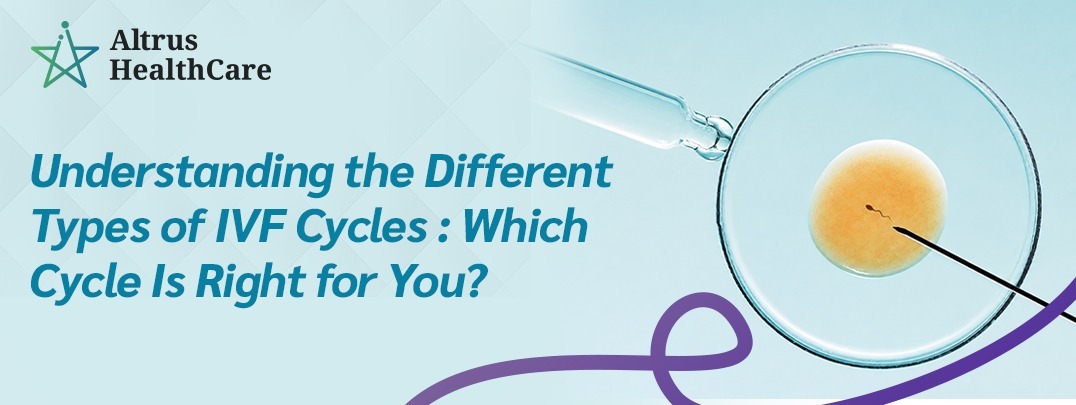
Understanding the Different Types of IVF Cycles: Which Cycle Is Right for You

Beginning a fertility treatment is a nerve-wracking feeling for couples, especially upon learning that there is not one but many IVF processes. Various IVF treatment cycles are developed according to medical conditions and the fertility challenges the patient is facing. One couple’s policy decision should not be implemented in a wholly different couple’s life.

Fertility specialists consider a patient’s age, ovarian reserve, sperm quality, past fertility and general reproductive health before suggesting a treatment for this reason. Couples learn of the available options through assistance from a top IVF doctor in Dehradun and choose the best path to parenthood.

Why Learning IVF Treatment Cycles Matters

It is a common misconception that IVF is the same for everyone. In reality, there are different kinds of IVF Treatment Cycles created for different situations.

Selecting a proper cycle can optimize success rate, organizing cost of the cycle and improve opportunities for embryo implantation. At a well-developed IVF hospital in Dehradun experts assesses every patient carefully and suggests them the proper course of action.

An expert in infertility treatment in Dehradun does not treat every couple on the same protocol; in fact, every patient’s needs are addressed in developing a custom treatment plan.

Typical IVF Cycles

Among various Treatment Cycles, the most popular is the regular IVF. During this process, fertility medicines stimulate a woman’s ovaries to mature multiple eggs. The eggs are retrieved, fertilised in the lab, and cultured into embryos for transfer.

It is generally advised for women with a healthy ovarian reserve and couples who wish to obtain the most embryos possible from one cycle.

A well experienced best IVF doctor in Dehradun continually monitors hormone levels and follicle development for optimal timing and improved success rates.

Natural IVF Treatment Cycles

Natural IVF follows the menstrual cycle and involves no or less stimulation medication. The single egg naturally released during ovulation is generally the focus of retrieval.

Women who are unable to take fertility drugs or have specific medical issues may benefit from these IVF Cycles.

Although natural IVF limits medications, an infertility specialist in Dehradun will tell you that fewer retrieved eggs generally means fewer embryos available for transfer.

Frozen Embryo Transfer (FET) Cycles

The frozen embryo transfer is an integral part of today’s IVF treatment. Previously frozen embryos are thawed and implanted in the uterus during a later cycle in this process.

Many fertility experts prefer FET because it allows the body additional time to recover from ovarian stimulation. An experienced best IVF doctor in Dehradun may recommend this approach when conditions are more favourable for implantation in a future cycle.

Advances in embryo freezing technology have significantly improved success rates in recent years.

IVF Treatment Cycles with ICSI

In a few cases, with the fertility problems occurring due to sperm, a treatment cycle like ICSI is recommended by doctors.

IVF cycles where an egg is injected with one healthy sperm to help with fertilisation and more. This method is often adopted when sperm quality is adversely affected by count, motility, and morphology.

A trusted IVF hospital Dehradun usually offers ICSI alongside regular IVF to provide more personalised fertility solutions.

How Doctors Decide Which IVF Cycle Is Right

Choosing between different IVF Treatment Cycles depends on several medical factors. Age remains one of the most important considerations because fertility naturally declines over time.

Doctors analyze the ovarian reserve, uterine condition, past IVF cycles, the male factor of infertility, etc., and if needed, a well-experienced fertility doctor in Dehradun will opt for further tests.

In fact, instead of looking out for the kind of treatment for a particular couple, a fertility expert tries to select that cycle, which is a well-balanced mix of safety, effectiveness, and opportunity for a particular couple.

Fertility Support at Altrus HealthCare

At Altrus Healthcare, we focus on building a customized treatment plan for each individual, as each case is different. Patients approaching our fertility clinic will go through the entire infertility workup, fertility counseling, ovulation induction, IUI, IVF, ICSI, Embryo Transfer, Fertility Preservation, and even advanced techniques such as Laser-Assisted Hatching, Blastocyst culture, Embryo freezing, and PGT. Here, our team of doctors will look over every couple so that we can find out the Best IVF Treatment Cycles for them. Our doctors help couples make the right decisions as per their individual needs.

FAQs

Can a couple switch over to a different IVF cycle after the first cycle is a failure?
Yes fertility doctors do analyze the previous cycles and suggest a new IVF Treatment Cycle based on the response of your body in the past cycle.

Are fertility medications necessary for all IVF patients?
No, natural IVF Treatment Cycles use minimal or no stimulation medicines, as per every individual patient’s condition.

Pregnancy Care Tips for a Healthy Mother and Baby

Pregnancy is a wonderful experience, but it can be very taxing on the body and mind. Once a positive result appears on the pregnancy test, there will be many things that a pregnant woman would like to know. 

It is for this reason that the regular advice of an experienced gynaecologist in Dehradun becomes very essential during pregnancy.

Many women look online for a “gynaecologist near me” when they feel discomfort or have problems. Start pregnancy care early. Keep it going. This prevents problems from developing in advance. It is essential to pick the best hospital for pregnancy. Mothers receive good care with it. They get watched, treated quickly, and receive emotional support.

Your Body Changes More Than You Realise During Pregnancy

Pregnancy is something that affects nearly every area of the body. Changes in hormones may affect sleep, digestion, mood, appetite, and energy. Some females experience morning sickness. Others might face swelling, fatigue, or back pain.

A proficient gynaecologist in Dehradun assists mothers. She clarifies which symptoms are normal and which require treatment. Routine check-ups monitor blood pressure, weight gain, fetal growth and nutrition.

Women at the best hospital for pregnancy get careful guidance. They receive support for both physical and emotional changes. This helps them avoid confusion and anxiety.

Nutrition During Pregnancy Is About Quality, Not Just Quantity

One of the most common myths surrounding pregnancy is that women should “eat for two.” In fact, nutrition is more important than overeating.

Doctors often suggest meals that are high in protein, iron, and calcium. They also recommend including fruits, vegetables, and healthy fats. Proper hydration is equally important. A trusted gynaecologist near me might also recommend supplements like folic acid, iron, and calcium. These help support fetal development.

The best hospital for pregnancy offers nutritional counselling as part of prenatal care. The baby’s growth is affected by the mother’s diet; it is important.

Never Skip Regular Prenatal Check-Ups by an Expert Gynaecologist in Dehradun

Many pregnancy complications develop silently without obvious symptoms. Conditions like gestational diabetes, high blood pressure, and fetal growth restriction are often found. Regular check-ups help catch these issues.

A gynaecologist in Dehradun emphasises that regular prenatal visits are vital for your health. During these visits, doctors do ultrasound scans. They also monitor the baby. This tracks growth and helps find problems early.

Women with high-risk pregnancies, twins, or past complications enjoy continuous care. The best hospital for pregnancy has emergency obstetric services. It also provides specialised monitoring to meet these needs.

Emotional Health Matters Too

Pregnancy is not only a physical journey. Emotional well-being also plays a major role in maternal health. Hormonal changes can affect mental health. Fear of childbirth can also play a role. Sleep problems and worries about parenting matter too. All these factors can impact mental health during pregnancy.

A caring gynaecologist near me is here to listen. You can always share your stress, feelings, and fears during prenatal visits. Support from family and healthcare providers can make pregnancy easier and more comforting.

Maternity centres help expectant mothers. They offer medical care and emotional support.

Rest, Movement, and Lifestyle Habits

Pregnant women are often told to “rest,” but healthy movement is also important. Light walking, stretching, and exercises approved by your doctor can boost circulation. They also help lessen back pain and enhance well-being.

At the same time, proper sleep and rest remain essential. A skilled gynaecologist in Dehradun may tell women. They should avoid smoking, alcohol, and extra medications during pregnancy.

Consistent, simple habits can lead to healthier pregnancies for both mom and baby.

Pregnancy Care at Altrus HealthCare

At Altrus HealthCare, we support mothers from conception to delivery. Our care includes personalised medical guidance and ongoing monitoring. As one of the best hospitals for pregnancy, we offer comprehensive services: 

  • Antenatal care 
  • Ultrasound monitoring 
  • Nutritional counseling 
  • Support during labour and delivery 
  • Postnatal care 
  • Management for high-risk pregnancies

Women receive care from experienced specialists, including skilled gynaecologists in Dehradun. They focus on keeping mothers safe. They care about fetal health. They also provide emotional support. They help plan for a comfortable delivery in a patient-centred space.

So, What Really Helps Create a Healthy Pregnancy Experience?

Healthy pregnancies come from small daily choices, not just one big step. Balanced meals, regular check-ups, and staying active help both mother and baby. Managing stress helps. Following medical advice is important too. Both lead to better outcomes.

Finding a trusted gynaecologist in Dehradun also gives women confidence during uncertain moments. Mothers feel safer. They trust professional help. Easy access to key information also helps. Access to the best hospital further helps them prepare for childbirth and recovery.

FAQs

When should I schedule my first pregnancy appointment with the best gynaecologist in Dehradun?
Most doctors recommend visiting a gynaecologist in Dehradun as soon as pregnancy is confirmed or after a missed period.


How many ultrasound scans are usually needed during pregnancy?
The number depends on the pregnancy condition, but the best hospital for pregnancy generally recommends scans at important developmental stages.


Can stress affect the baby during pregnancy?
High stress levels over a long period may affect sleep, blood pressure, and emotional well-being, which is why emotional care matters during pregnancy.

Dengue vs Viral Fever: How to Identify the Difference

Fever is common with temperature changes. This is especially true in the monsoon and post-monsoon months. Many people assume at first that every fever is a simple viral infection. However, the illness could be dengue. It needs close monitoring. Quick medical care is important.

Many families have trouble knowing if they have a common viral fever or dengue. The early dengue symptoms frequently appear similar. When a diagnosis is delayed, the risk of problems is increased. Delay in diagnosis is more common in children, the elderly and weak immune system. 

Knowing the difference between viral fever and dengue is key. It helps patients get quick care. It also helps them prevent dengue and lower their risk of infection.

Why Dengue Symptoms Are Often Confused with Viral Fever

Viral fever and dengue often start with a high fever. You might feel weak, have a headache, and experience body pain. Many patients often overlook early dengue symptoms. They think the illness will get better in a few days.

Dengue fever is caused by the dengue virus that is spread via mosquito bites. On the contrary, several viral infections may cause fever. At first glance, dengue sickness may have the same signs until it starts to progress.

If your fever is high and lasts more than two or three days, doctors often tell patients not to self-medicate. Mosquito breeding season is more so the case. Preventing dengue is important during this time.

Common Symptoms to Watch Carefully

A clear symptom of dengue is a sudden high fever. You can also feel severe body pain. Weakness is common, too. Many patients feel strong muscle and joint pain. This is why dengue is known as “breakbone fever.”

Other warning signs may include sore eyes, rash, nausea, vomiting, and/or unusual tiredness. More serious cases may also see light bleeding from the gums or the nose.

Unlike ordinary viral fever, dengue can affect platelet count. Doctors often recommend blood tests. They do this to confirm the diagnosis. They also want to track levels. This is important if symptoms continue or get worse. Timely diagnosis helps begin proper dengue treatment before complications develop.

How Viral Fever Usually Differs from Dengue

People may develop fever, mild aches and pains in the body, sore throat, cough, and fatigue. Most patients get better after a few days with fluids, rest, and medicines prescribed by their doctors.

In dengue, however, weakness and body ache are usually more extreme. Some patients may have high fever even with medication, while others may experience abdominal pain or a skin rash.

Dengue can cause dehydration. It can also lower platelet counts. That’s why monitoring is very important. Seeking medical advice early helps patients get safe dengue treatment.

Why Dengue Prevention Matters More During Monsoon

Mosquitoes carrying dengue viruses breed rapidly during humid and rainy conditions. Stagnant water near homes can help mosquitoes breed. This includes coolers, buckets, flower pots, and open containers.

open containers.

Simple dengue prevention measures can significantly reduce infection risk. To control mosquito exposure: 

  • Cover water containers. 
  • Use mosquito repellents. 
  • Wear long sleeves. 
  • Keep your area clean.

Families with kids need to be extra careful. Children might not recognise or express early symptoms clearly.

When Should You Seek Immediate Medical Attention?

Some dengue cases become serious if warning signs are ignored. Get urgent medical help if you have: 

  • Severe abdominal pain 
  • Trouble breathing 
  • Bleeding 
  • Ongoing vomiting 
  • Confusion 
  • Extreme weakness

Doctors may advise hospital observation and fluids depending on the severity of dengue symptoms. Early medical care helps doctors check hydration and platelet levels. This way, they can plan the right dengue treatment.

It is always safer to consult a doctor rather than waiting for symptoms to worsen at home.

Medical Support for Dengue Care at Altrus HealthCare

At Altrus HealthCare, patients with fever and suspected infections receive quick medical evaluation. This includes lab tests and specialist care. The hospital monitors dengue symptoms. It also manages hydration, conducts blood tests, and provides supportive care to reduce complications. Altrus HealthCare provides emergency support, lab facilities, and skilled medical teams. They focus on quick diagnosis, safe dengue treatment, and patient guidance. They also promote effective dengue prevention practices.

So, How Can Families Stay Safer During Dengue Season?

Dengue and viral fever can look alike at first. However, paying attention to symptoms can help spot warning signs early. Don’t ignore a fever, bad body pain, rash, or unusual weakness in mosquito season.

Families that focus on dengue prevention, keep clean, and get medical help early are less likely to face complications. It’s important to know the difference between regular fever and serious dengue symptoms. This helps patients get diagnosed faster. This leads to better monitoring and timely treatment when necessary.

FAQs

Can dengue happen without mosquito bites being noticed?
Many people don’t see when infected mosquitoes bite. The bites often don’t hurt.


Why do doctors monitor platelet counts during dengue treatment?
Platelet counts may fall during dengue infection, so monitoring helps doctors assess the severity of dengue symptoms.


Can viral fever also cause body pain like dengue?
Yes, viral fever can cause body pain, but dengue symptoms are usually more severe and often along with intense weakness.


What is the biggest mistake people make during dengue season?
Many people miss early symptoms. They wait to see a doctor. They think it’s just a regular fever.